Inside a villa in Ubud, Bali: Architecture, Design & the Art of slow living
There is something about staying in a villa in Ubud that feels completely different from staying in a traditional hotel.
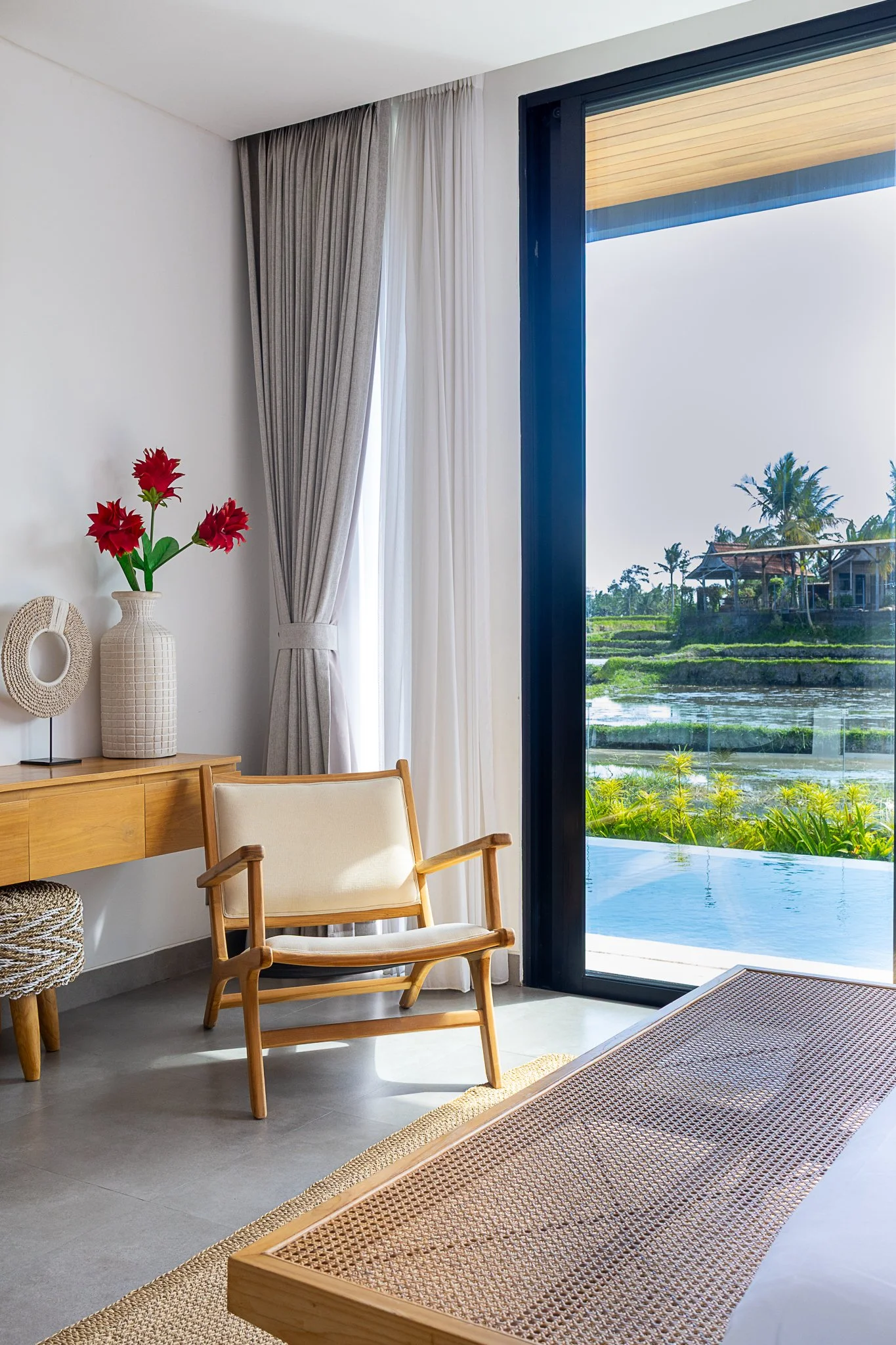
Surrounded by tropical greenery, natural materials and the quiet rhythm of Bali, a villa can become more than a place to sleep. It becomes part of the experience itself.
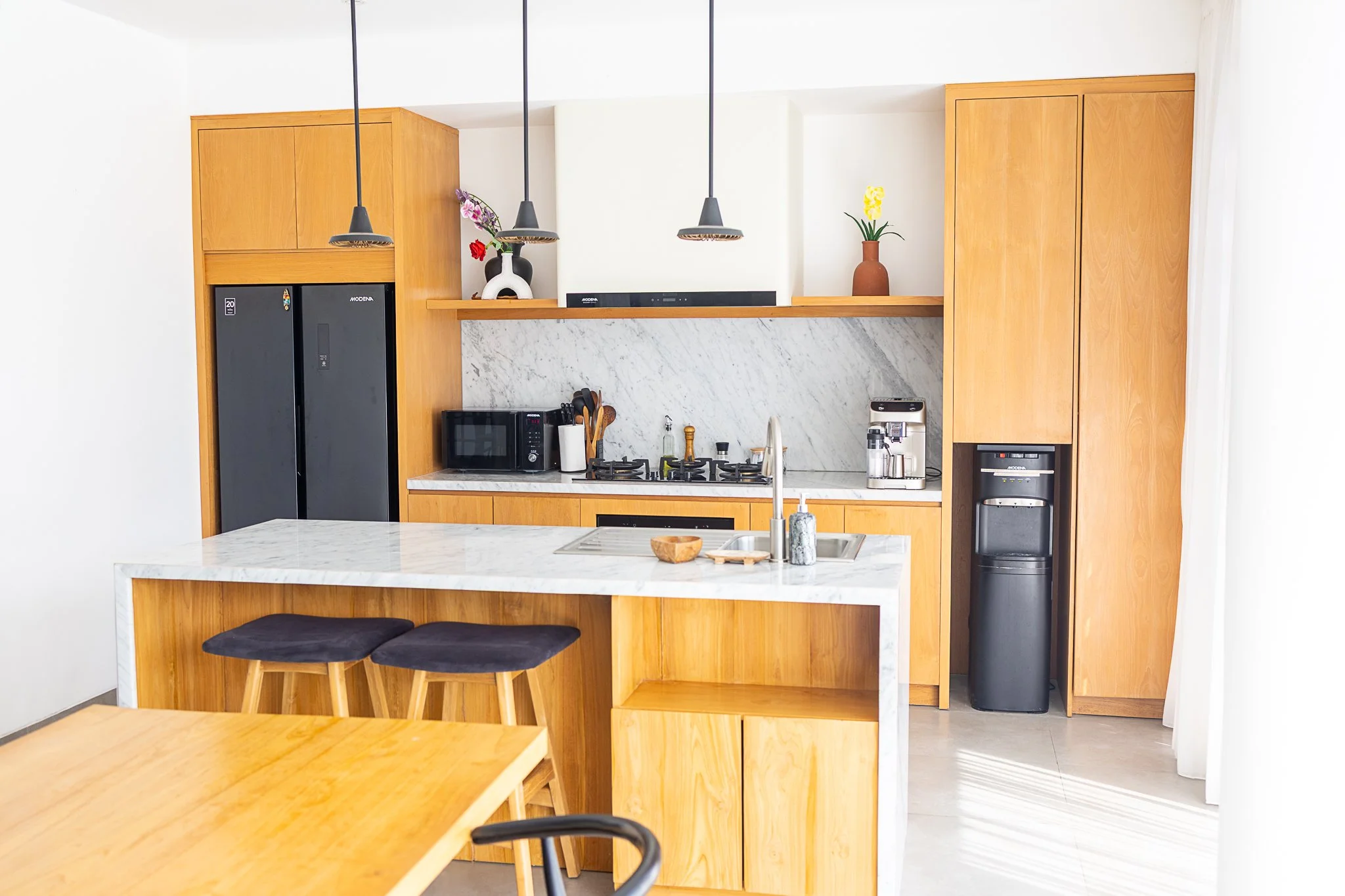
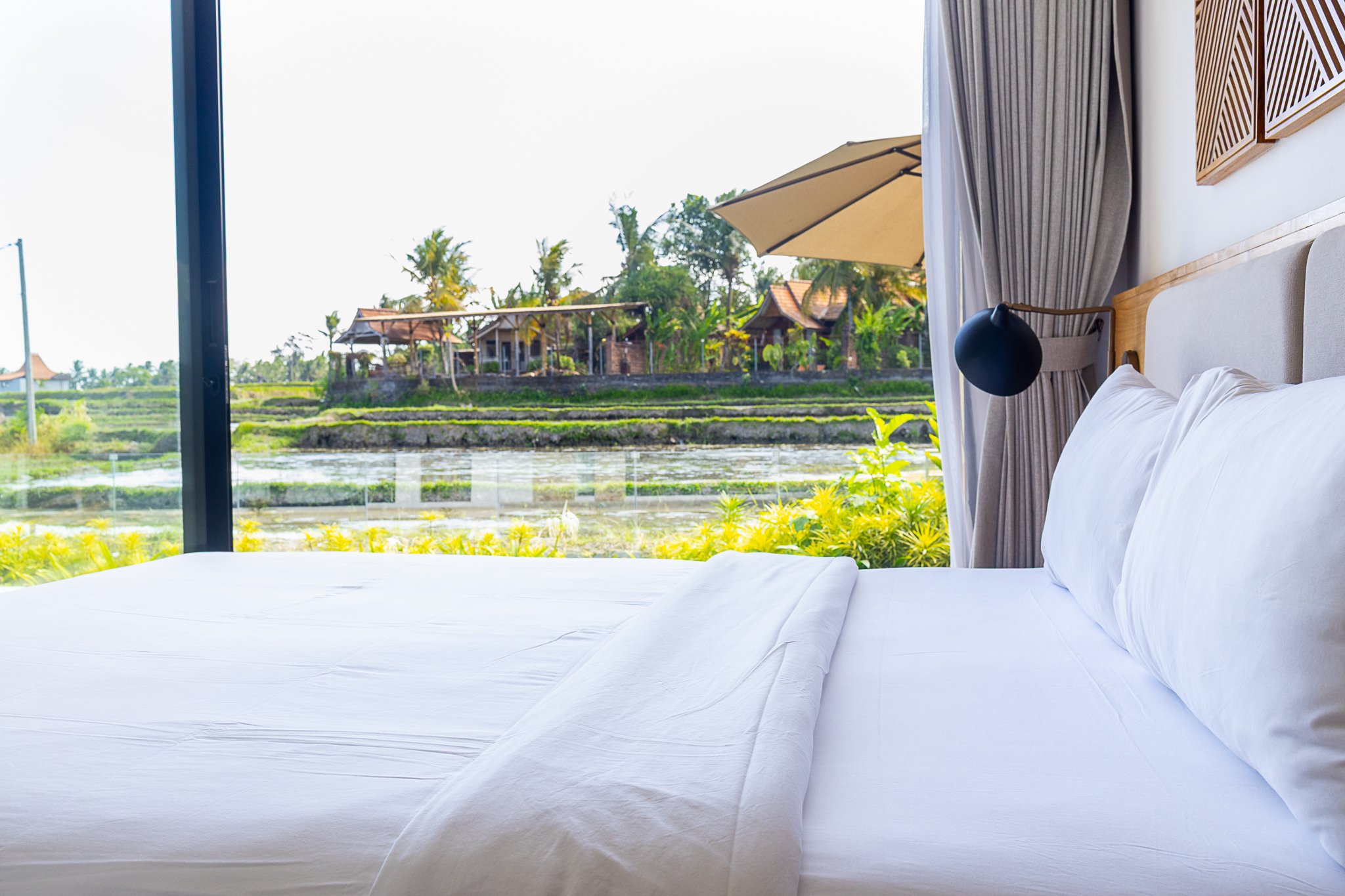
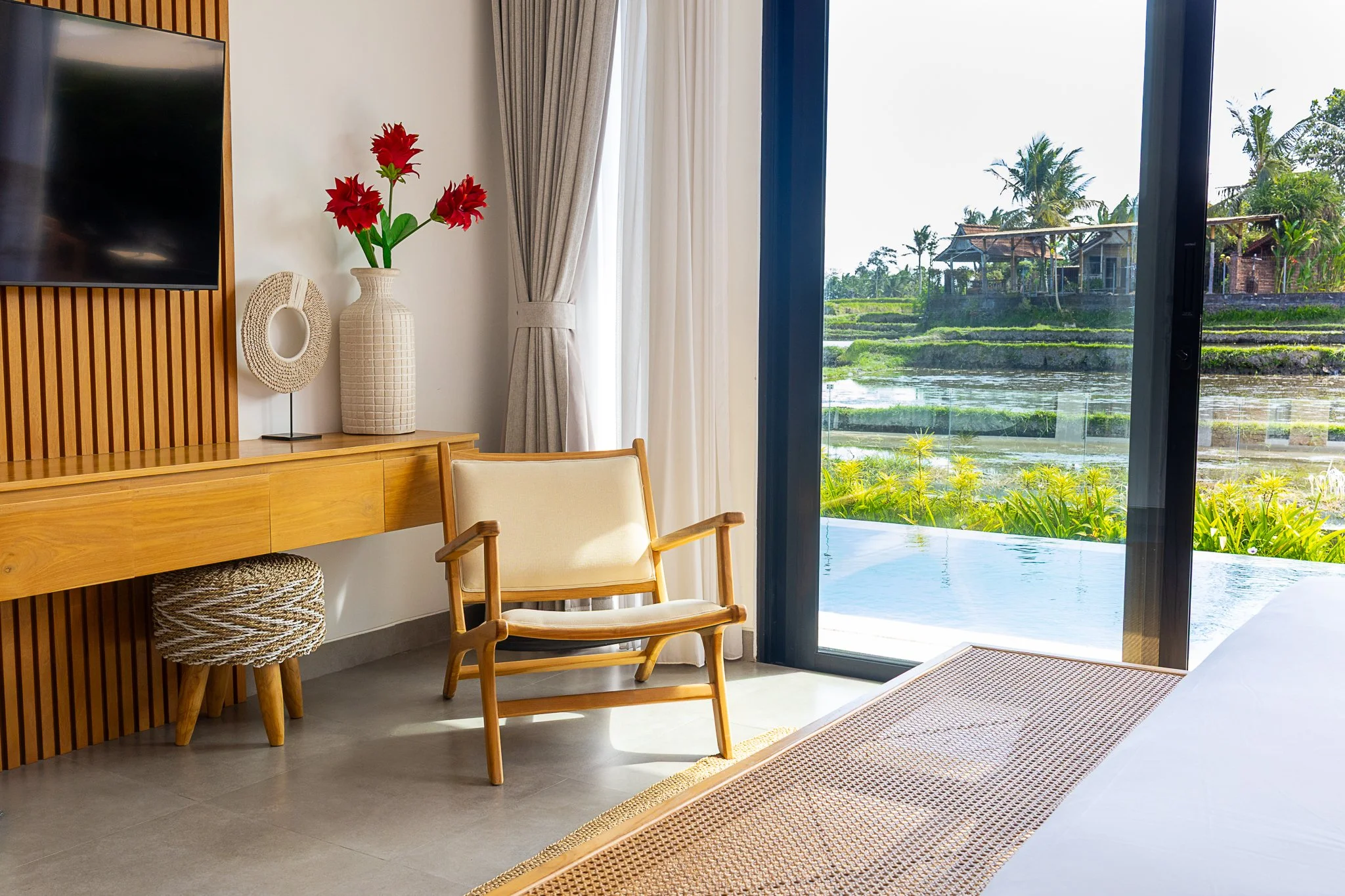
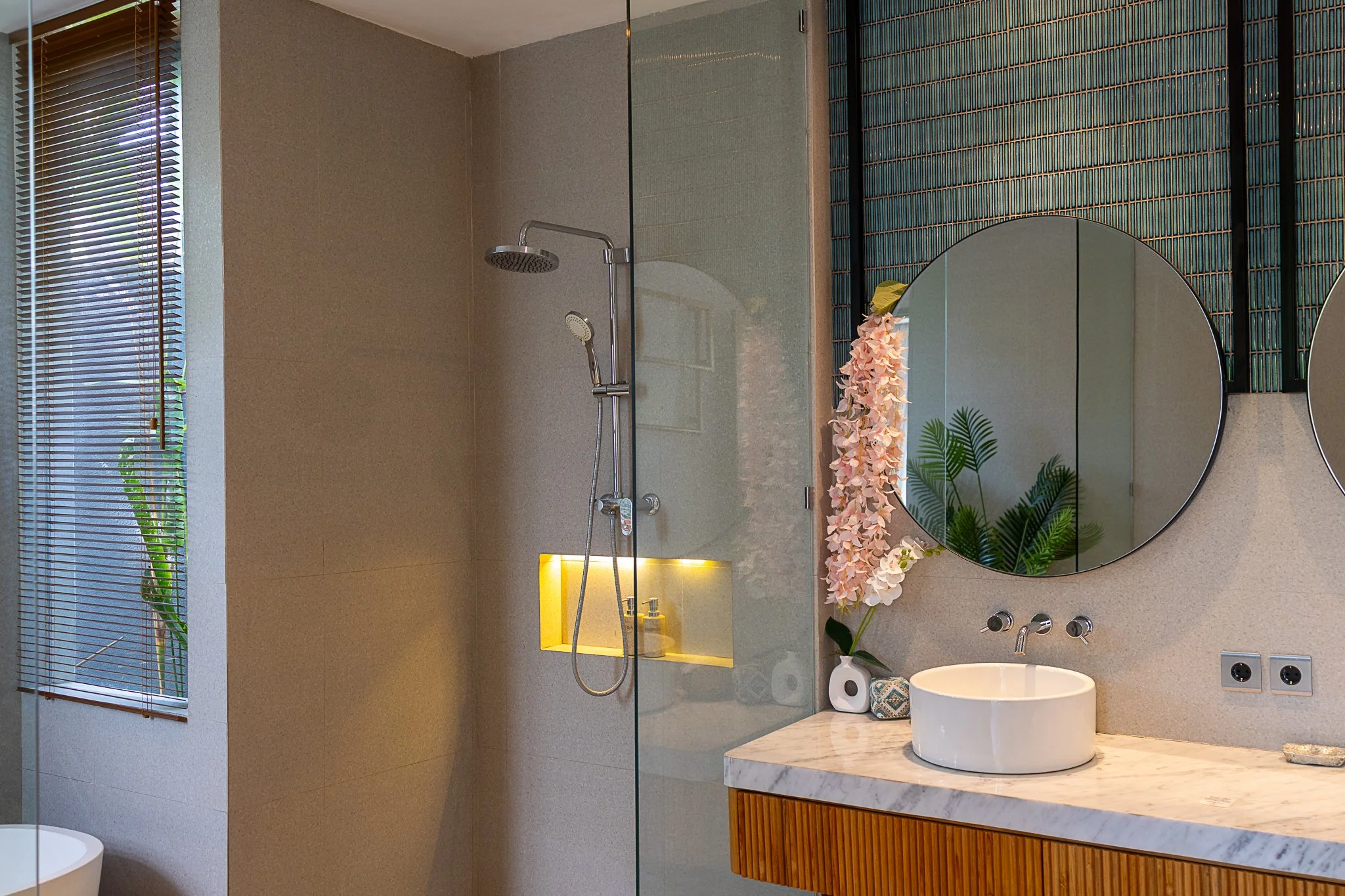
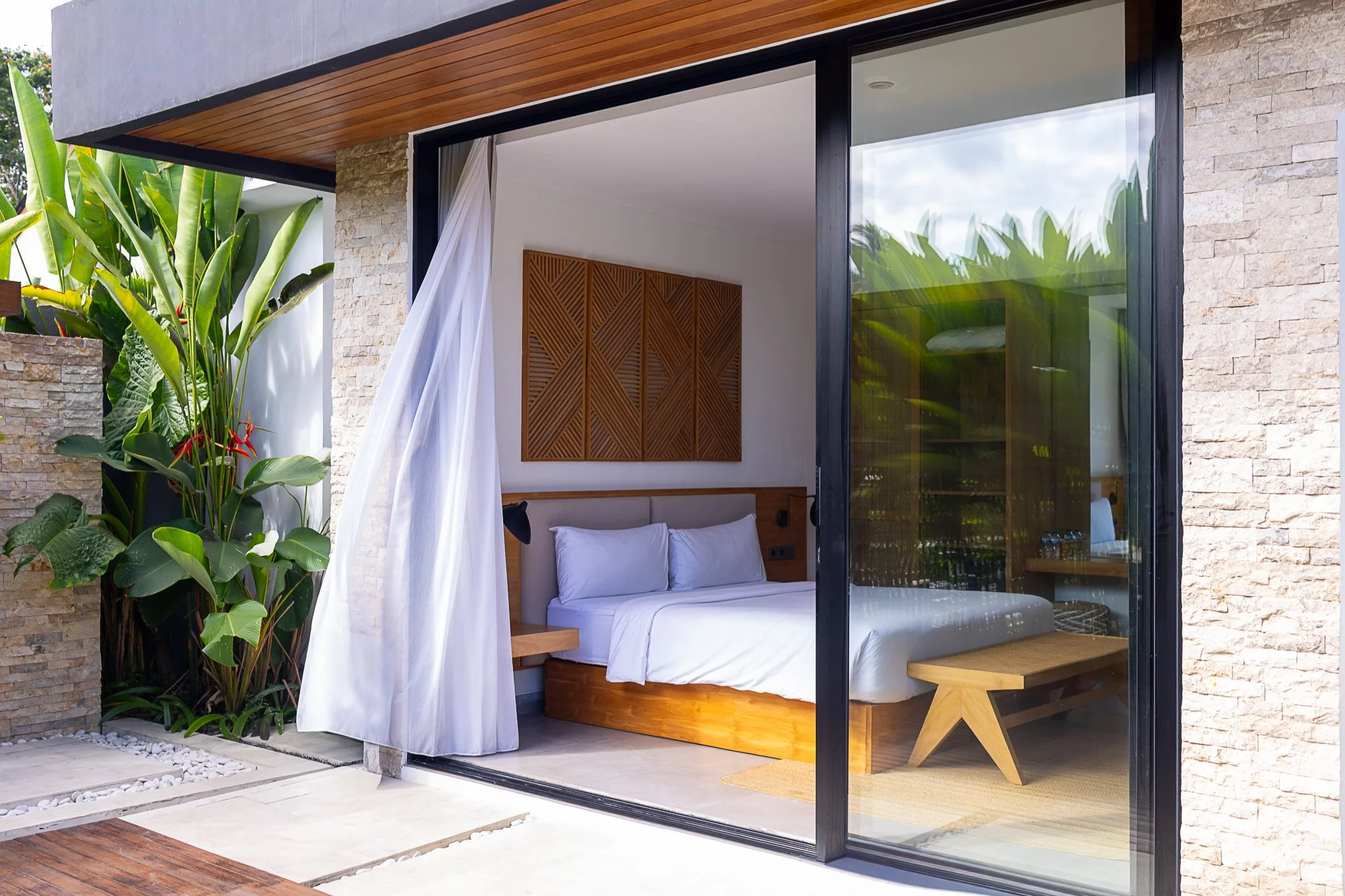
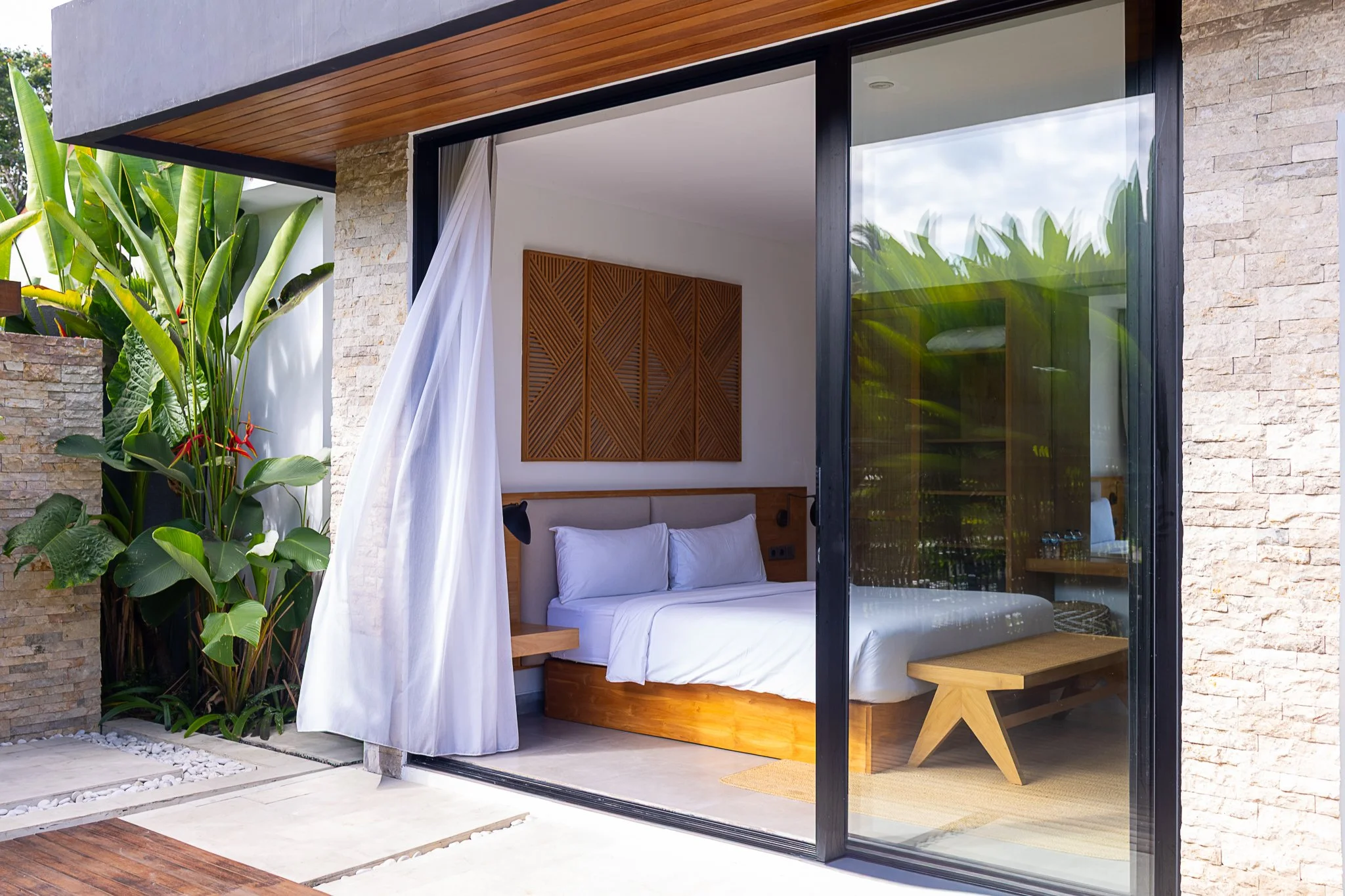
During my time in Ubud, I photographed a private villa surrounded by the landscape that makes this part of Bali so unique. Without relying on staged scenes or models, I wanted to focus on the architecture, interiors, textures and atmosphere of the property, and on the small details that make a space feel inviting.
As a hospitality photographer, I am interested in more than simply documenting a property. I want to show how a place feels.
1. A villa designed around its surroundings
One of the most distinctive aspects of villas in Ubud is their relationship with nature.
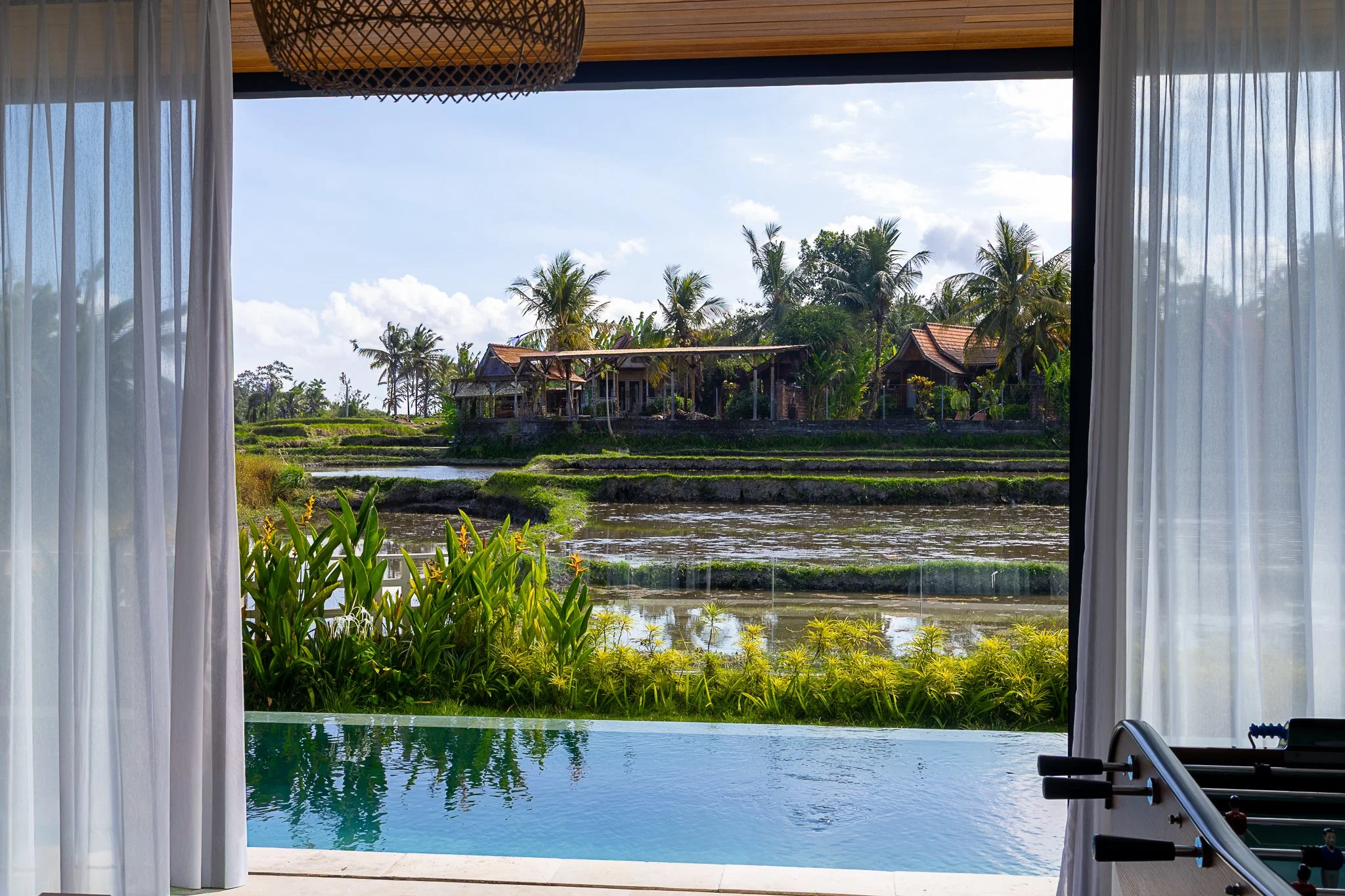
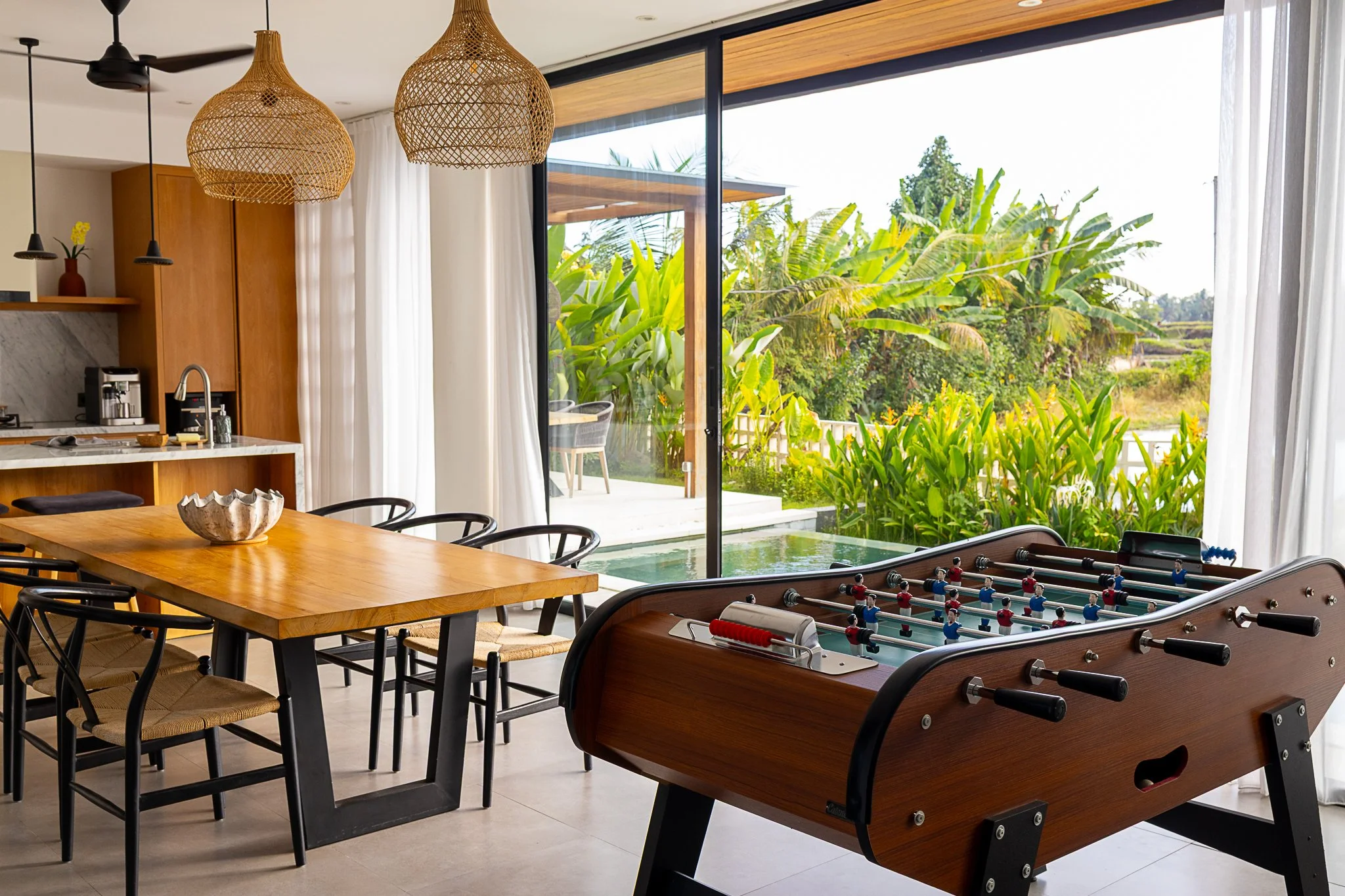
Rather than separating the interior from the landscape, many properties are designed to bring the outdoors in through large openings, natural materials, gardens, water and open-air spaces.
This villa is a perfect example of that approach.
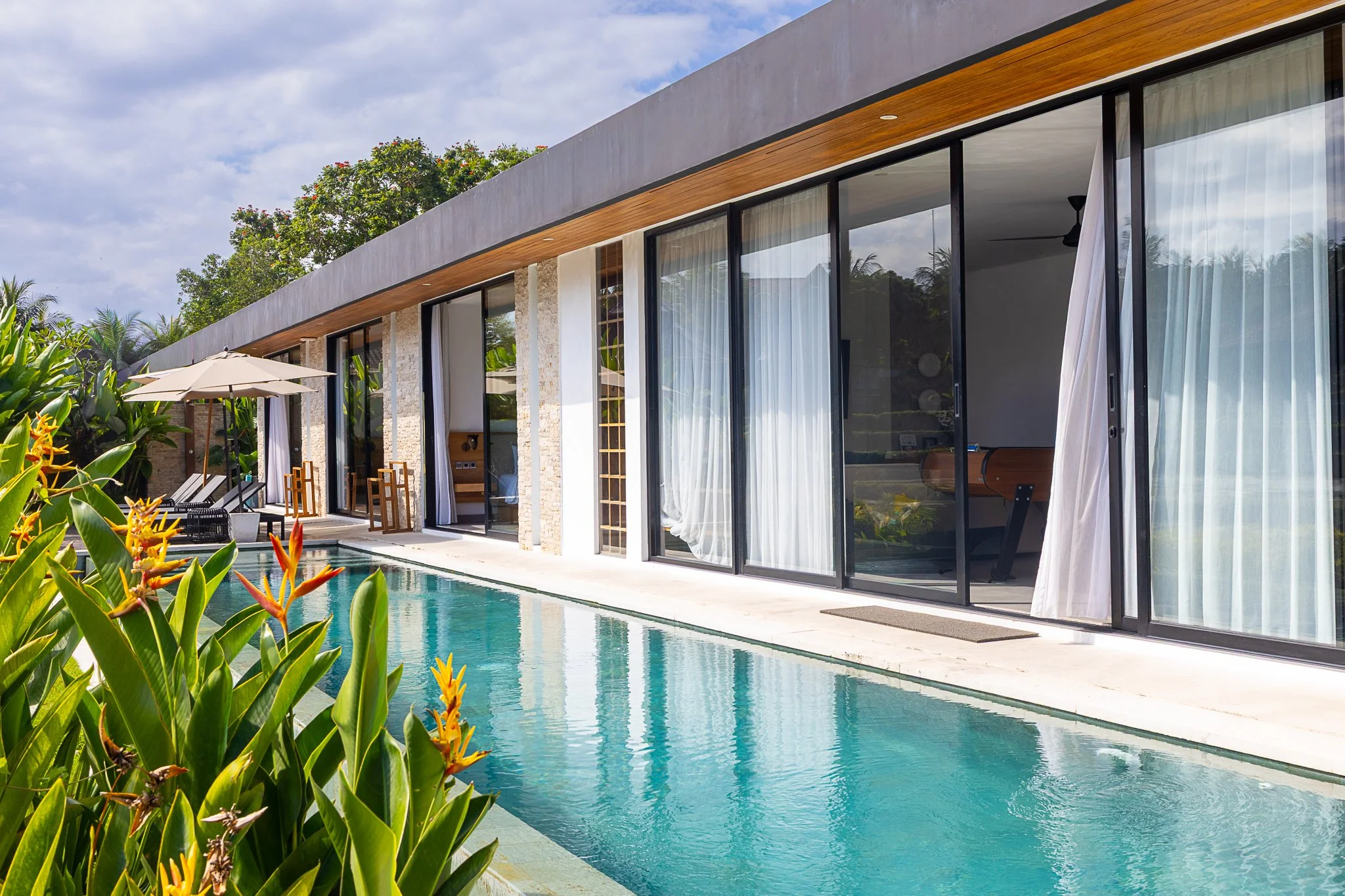
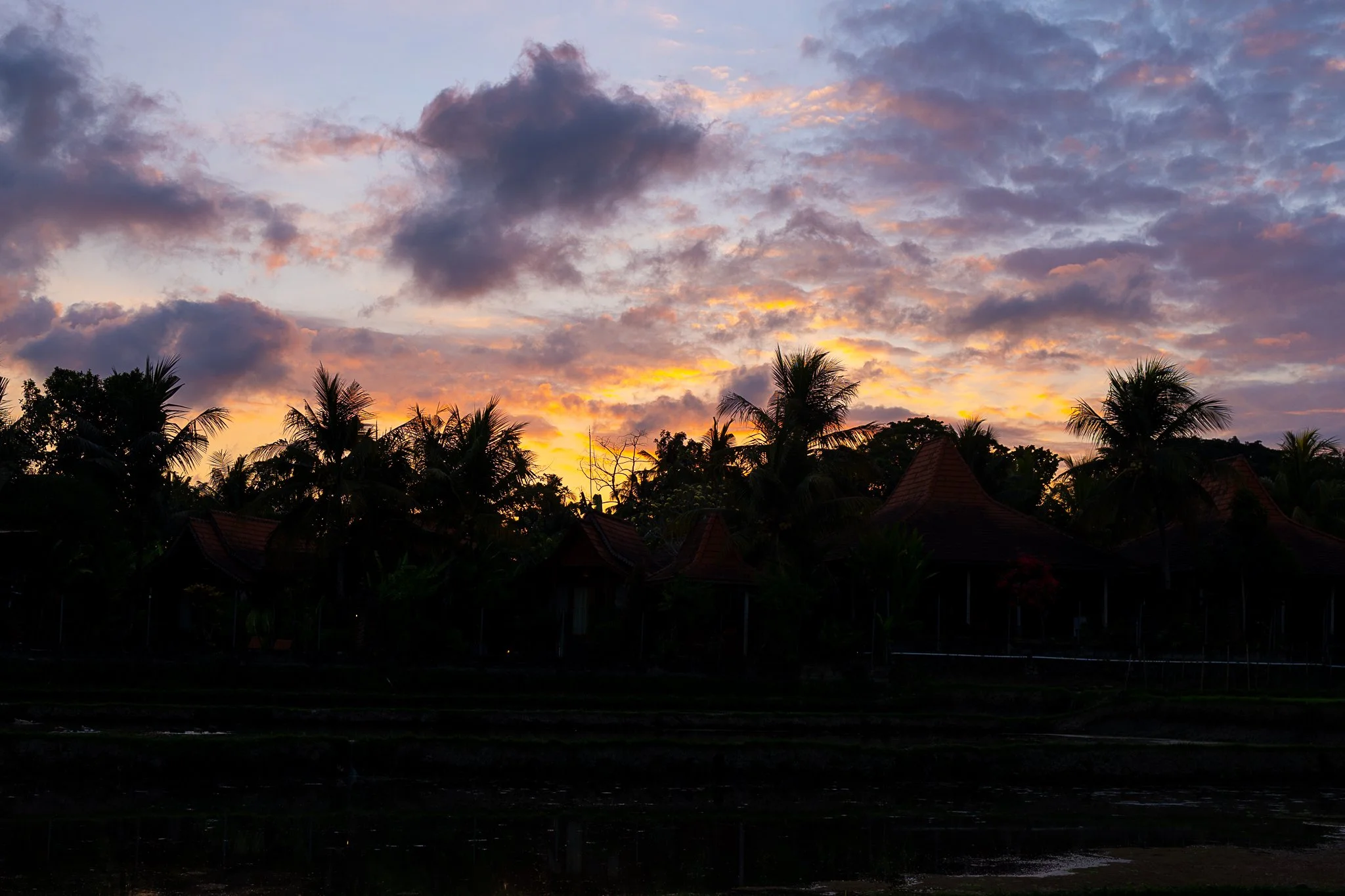
The surrounding tropical vegetation becomes part of the architecture. Light changes throughout the day, shadows move across the walls and the landscape constantly becomes part of the composition.
For hospitality photography, these elements are essential. They communicate something that a simple room photograph cannot: the feeling of being there.
2. Natural materials and Balinese Design
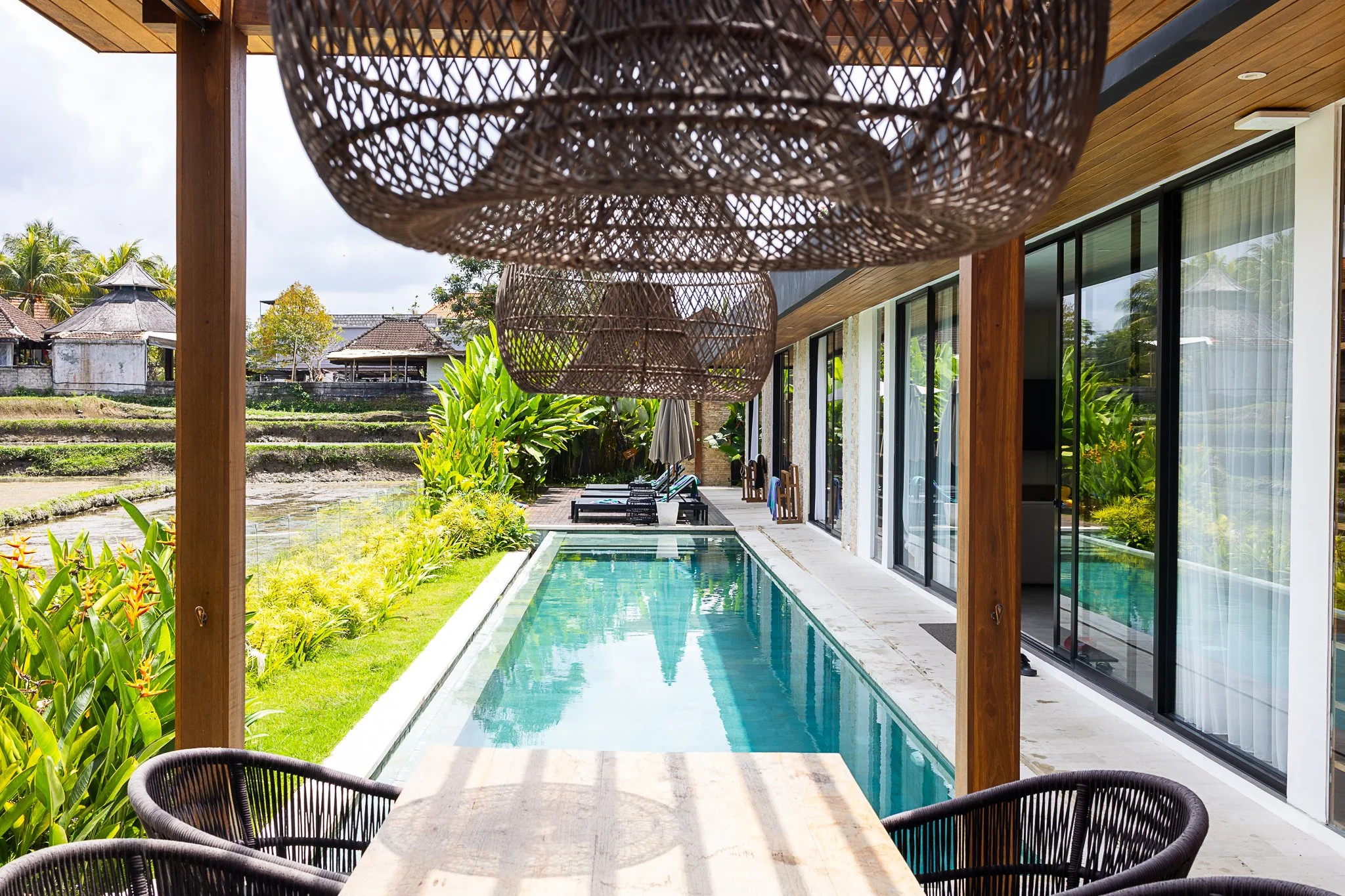
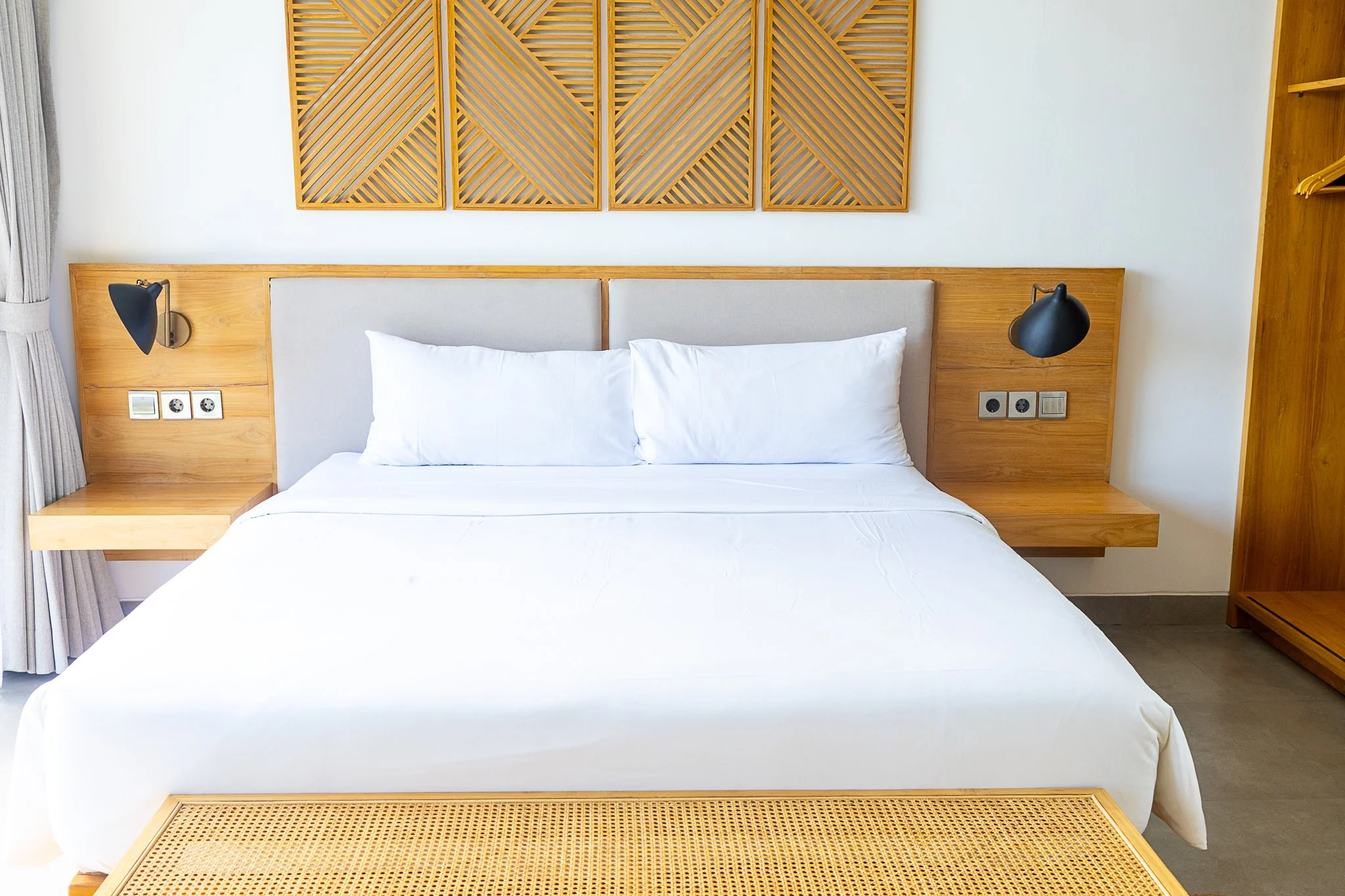
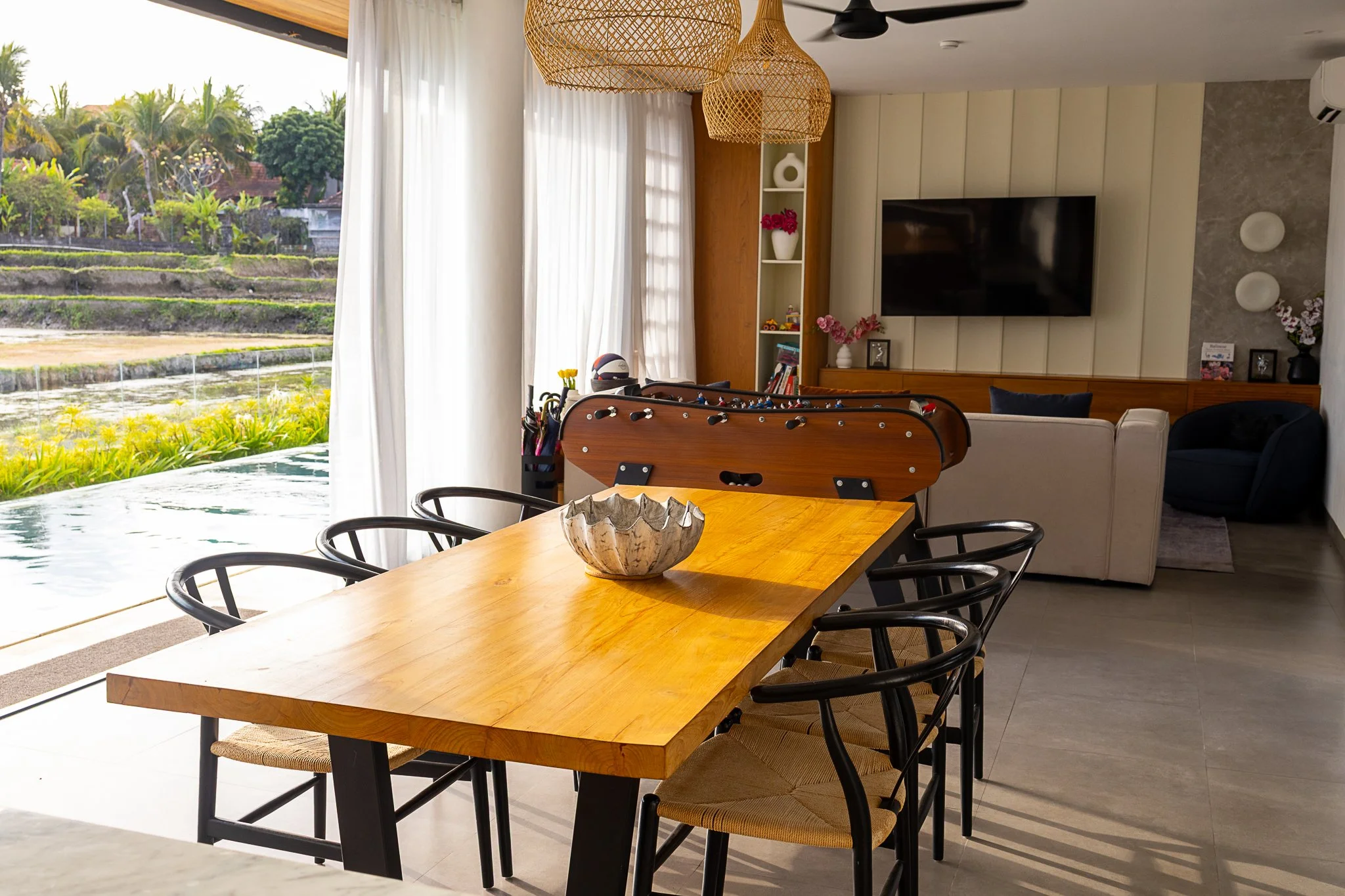
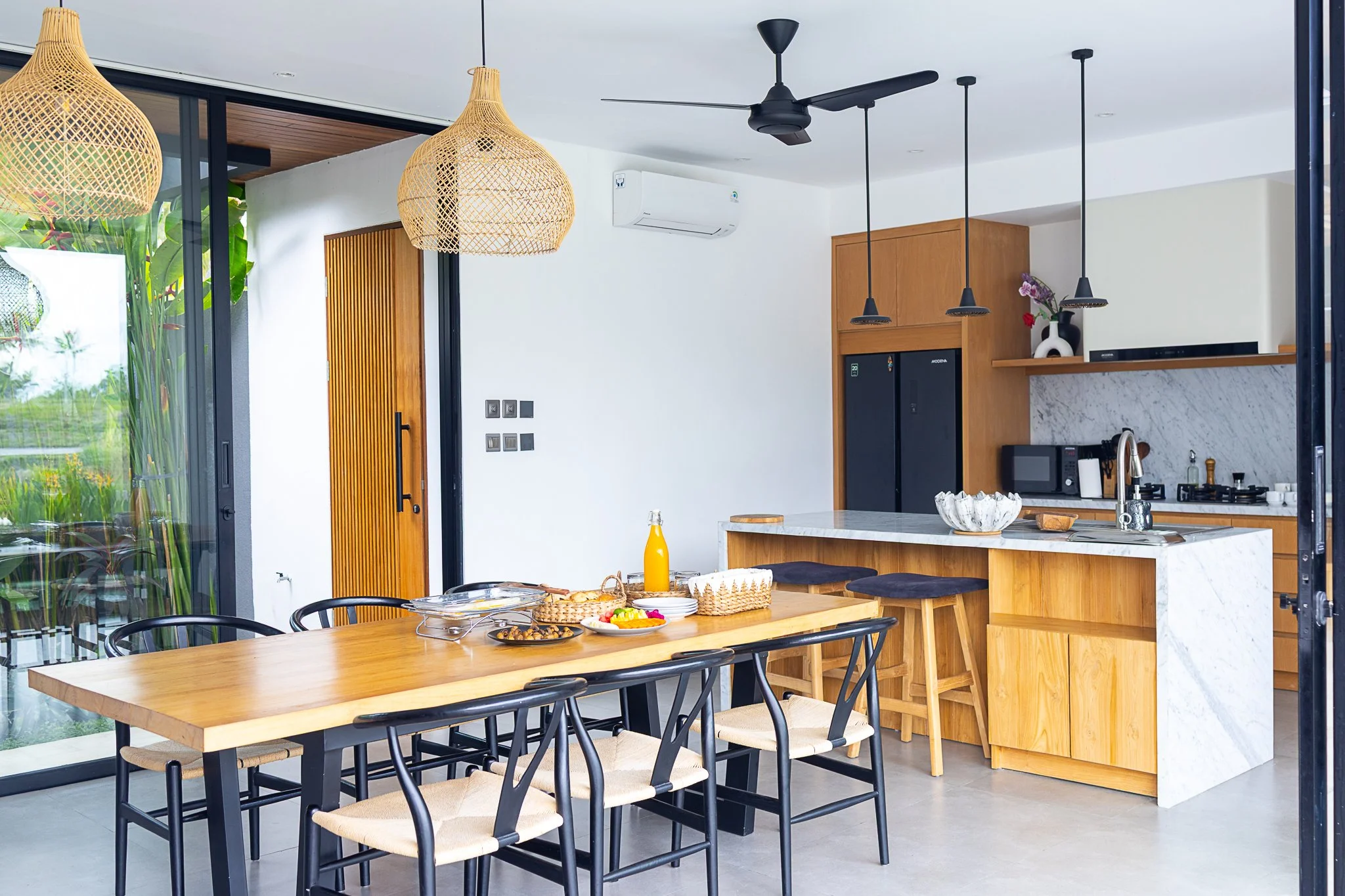
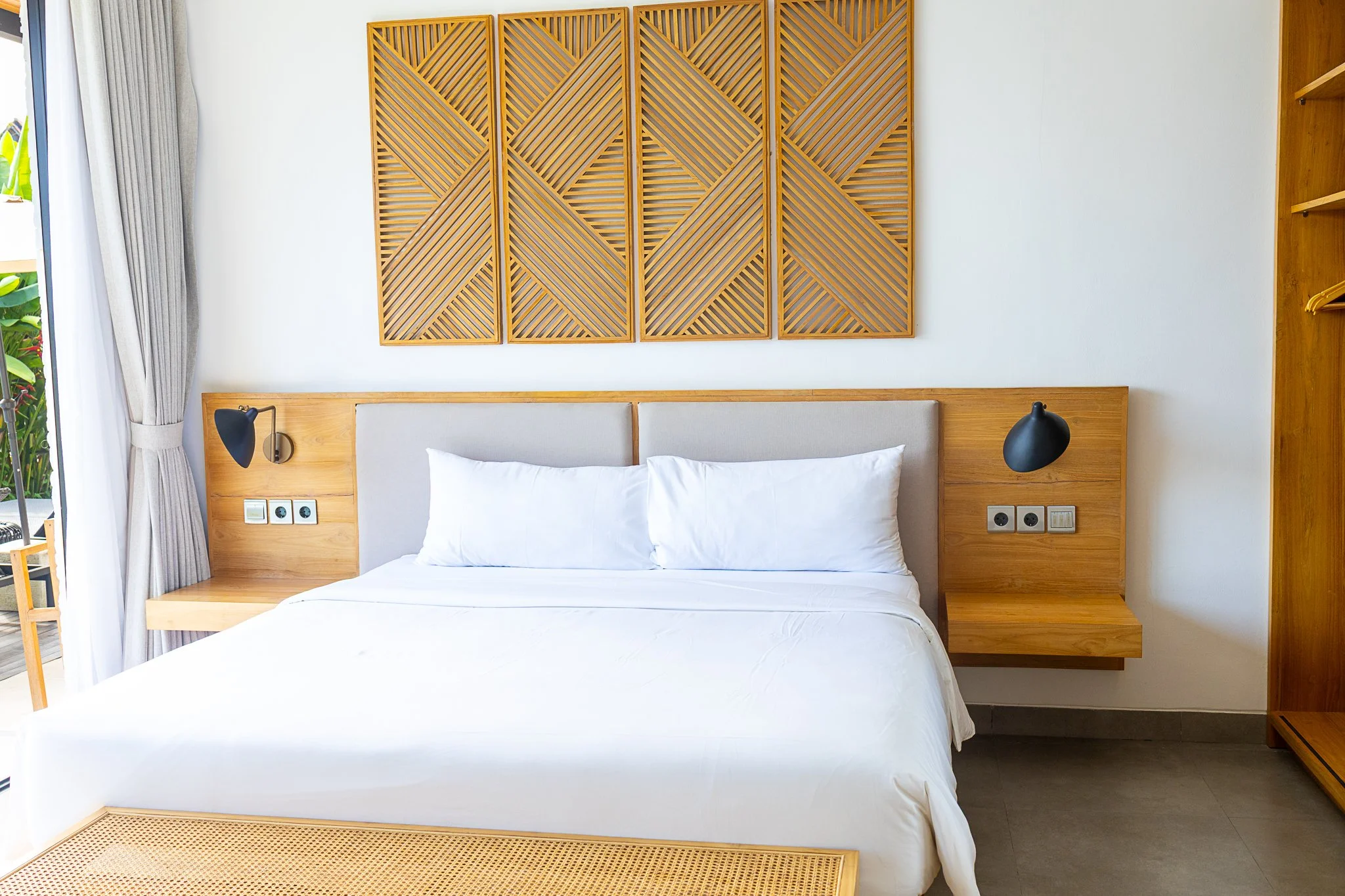
Wood, stone, woven textures and earthy tones create a strong connection between the villa and its surroundings.
These materials also photograph beautifully because they respond to natural light and create depth without needing excessive decoration.
When photographing hospitality spaces, I look for these details, the texture of a wall, the way light falls across a bed, the contrast between greenery and architecture, or a small design element that tells something about the property.
Good hospitality photography is not only about showing what is inside a room.
It is about showing what makes that room different.
Related: See my full portfolio of hotel and resort photography →
3. The pool as the heart of the villa
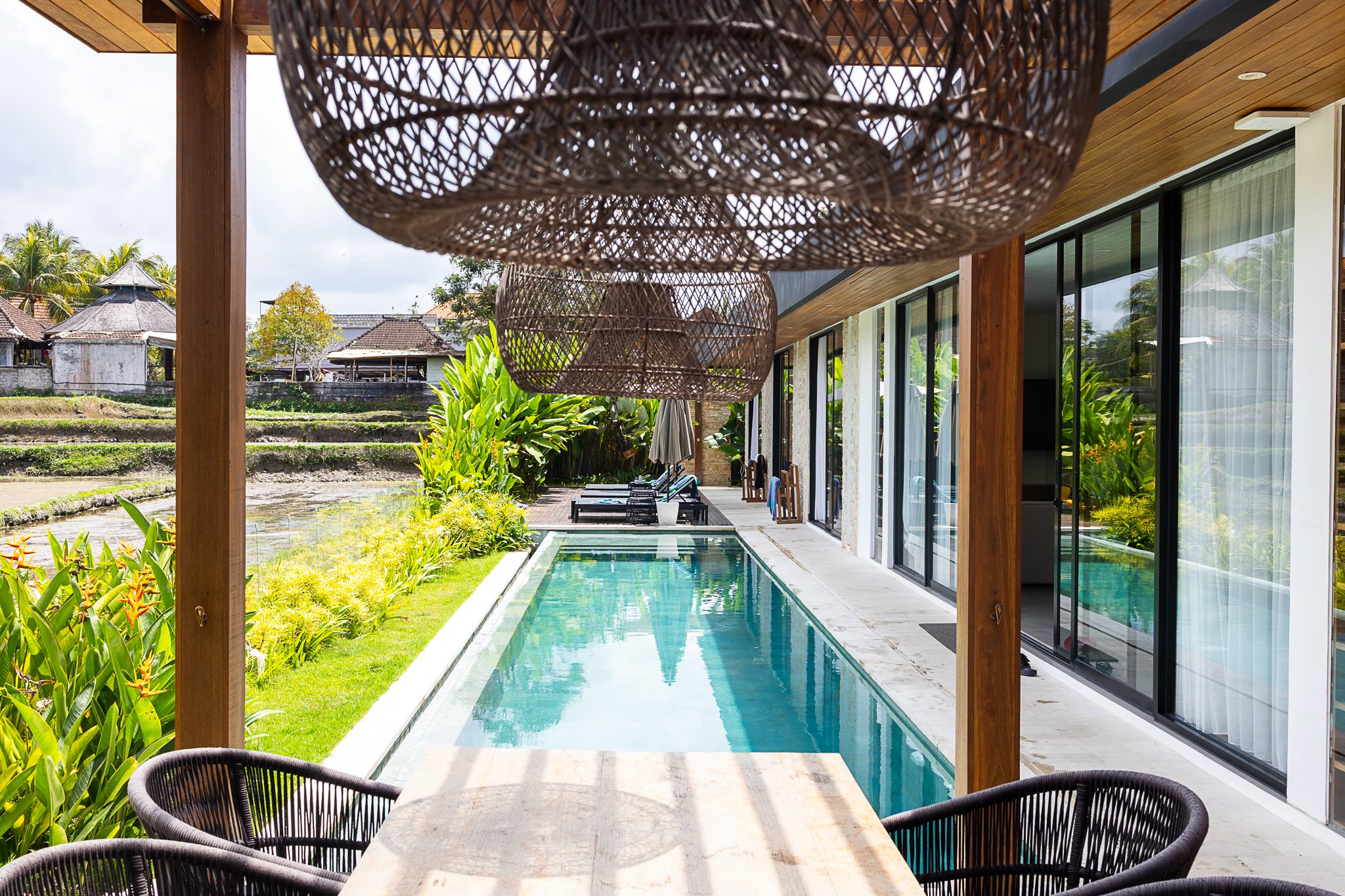
For many travellers, a private pool is one of the defining features of a villa in Ubud.
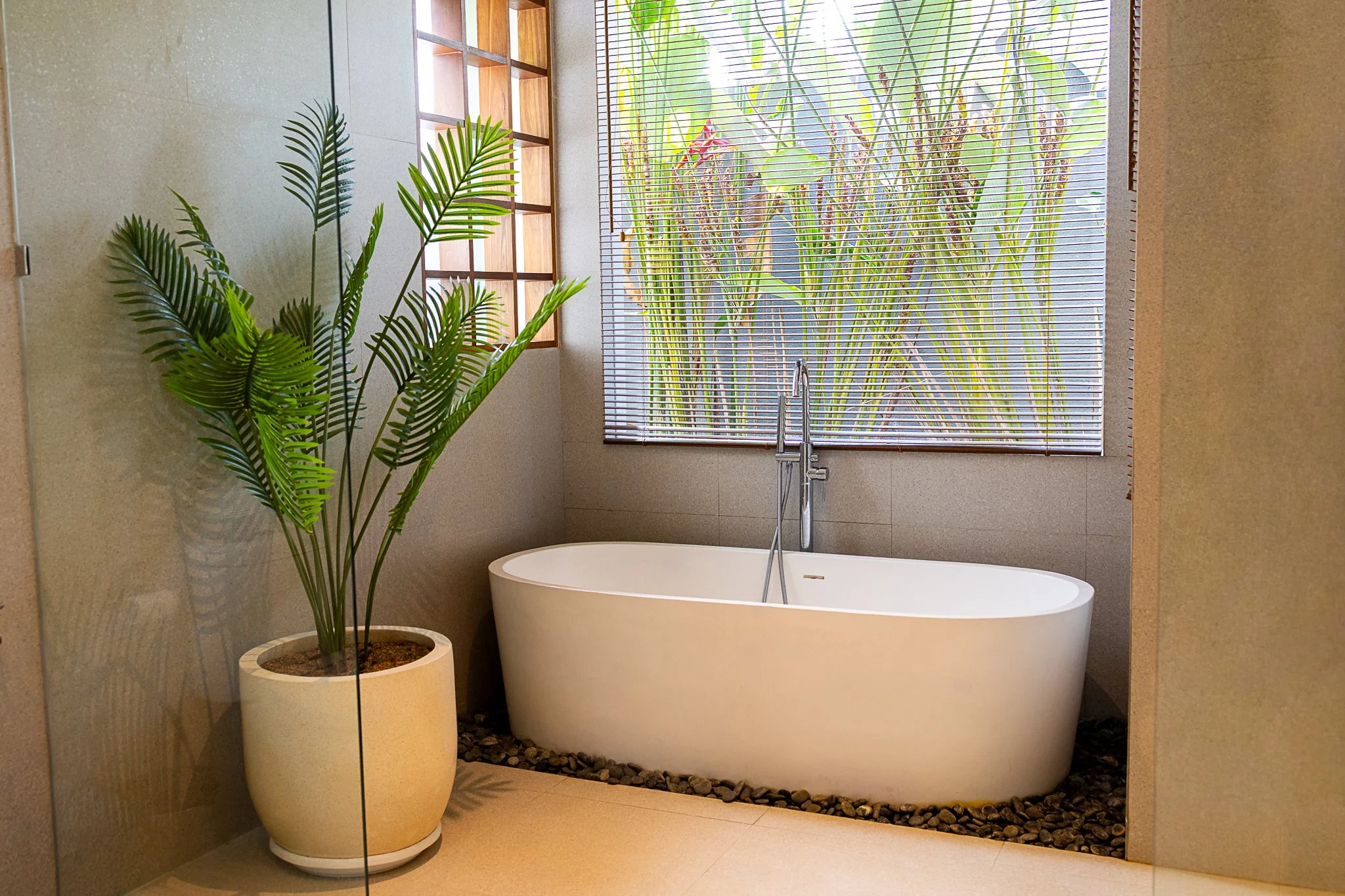
But photographically, a pool can also become the visual centre of the property.
Rather than simply photographing it as an amenity, I like to show how it interacts with the architecture and surrounding landscape.
The reflection of the sky. Tropical plants framing the water. The transition between indoor and outdoor spaces.
These details help create a sense of place and allow the viewer to imagine the experience before ever arriving.
Related:Discover my approach to brand storytelling for hotels →
4. Photographing a villa without people
Not every hospitality story needs to include people.
In fact, some properties are better communicated through their spaces, light and atmosphere.
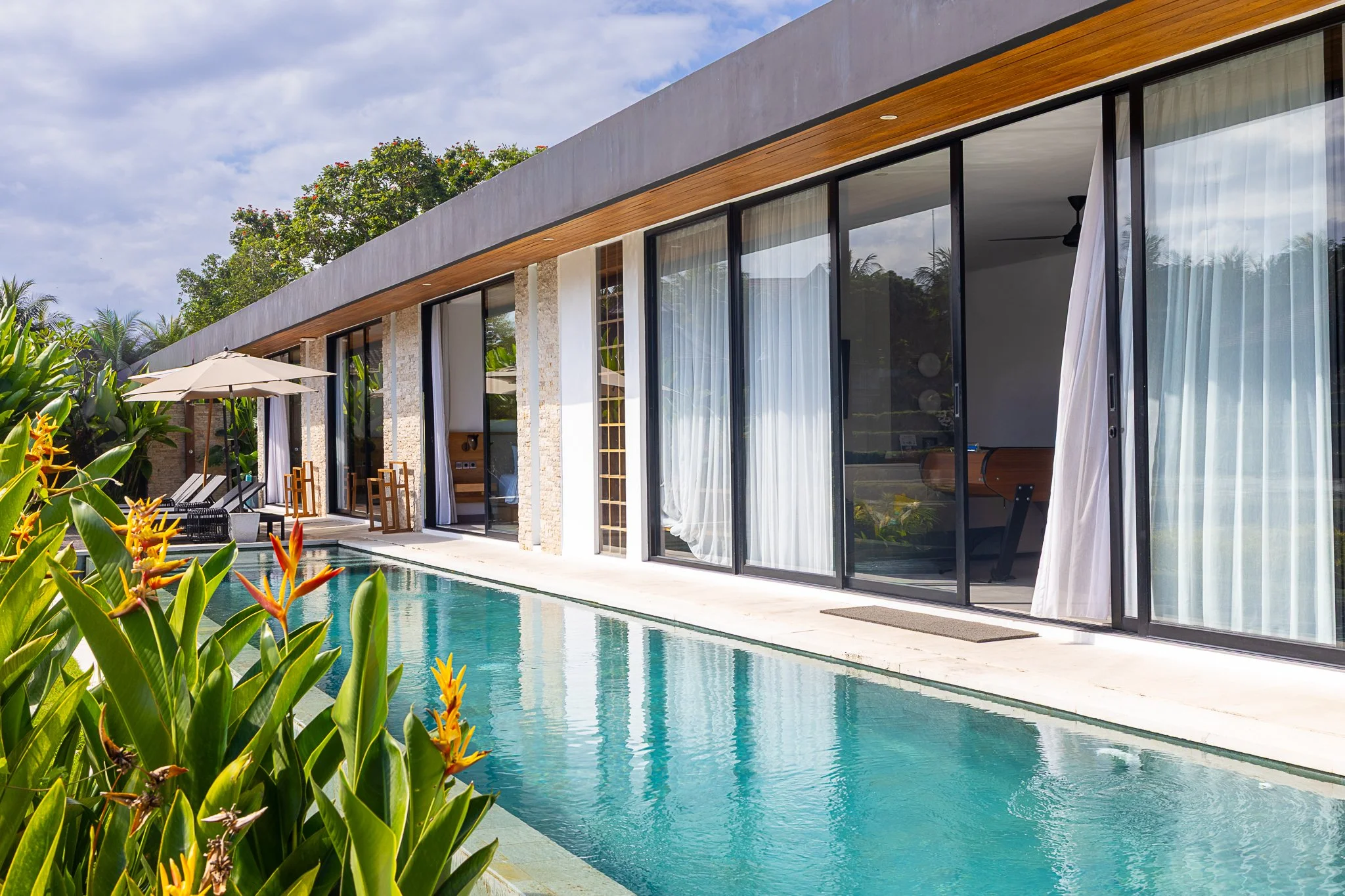
When there are no models or guests in the photographs, the architecture becomes the subject. The viewer has room to imagine themselves inside the space.
For this Ubud villa, I focused on creating a visual story through:
architecture and interiors
natural light
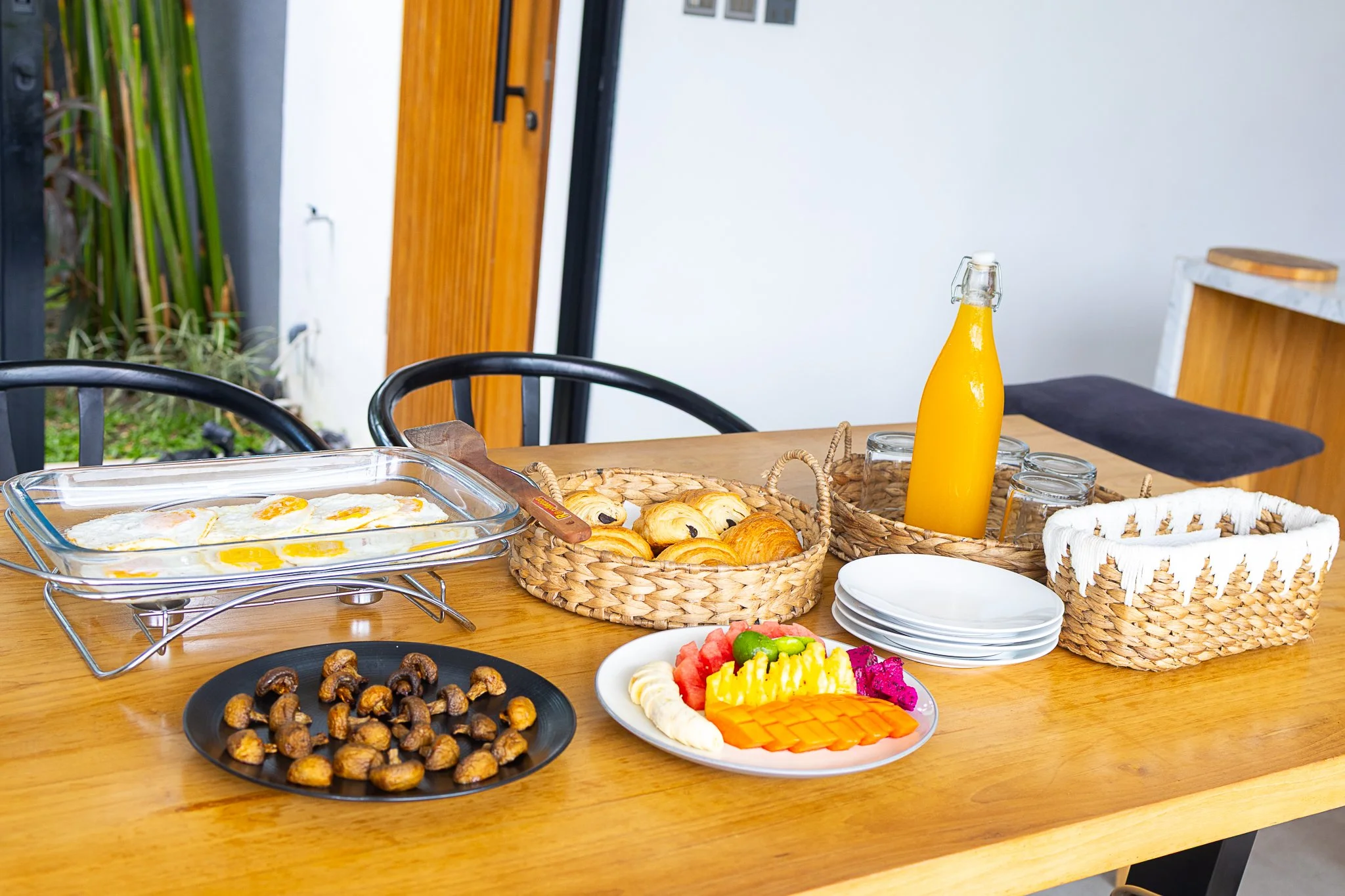
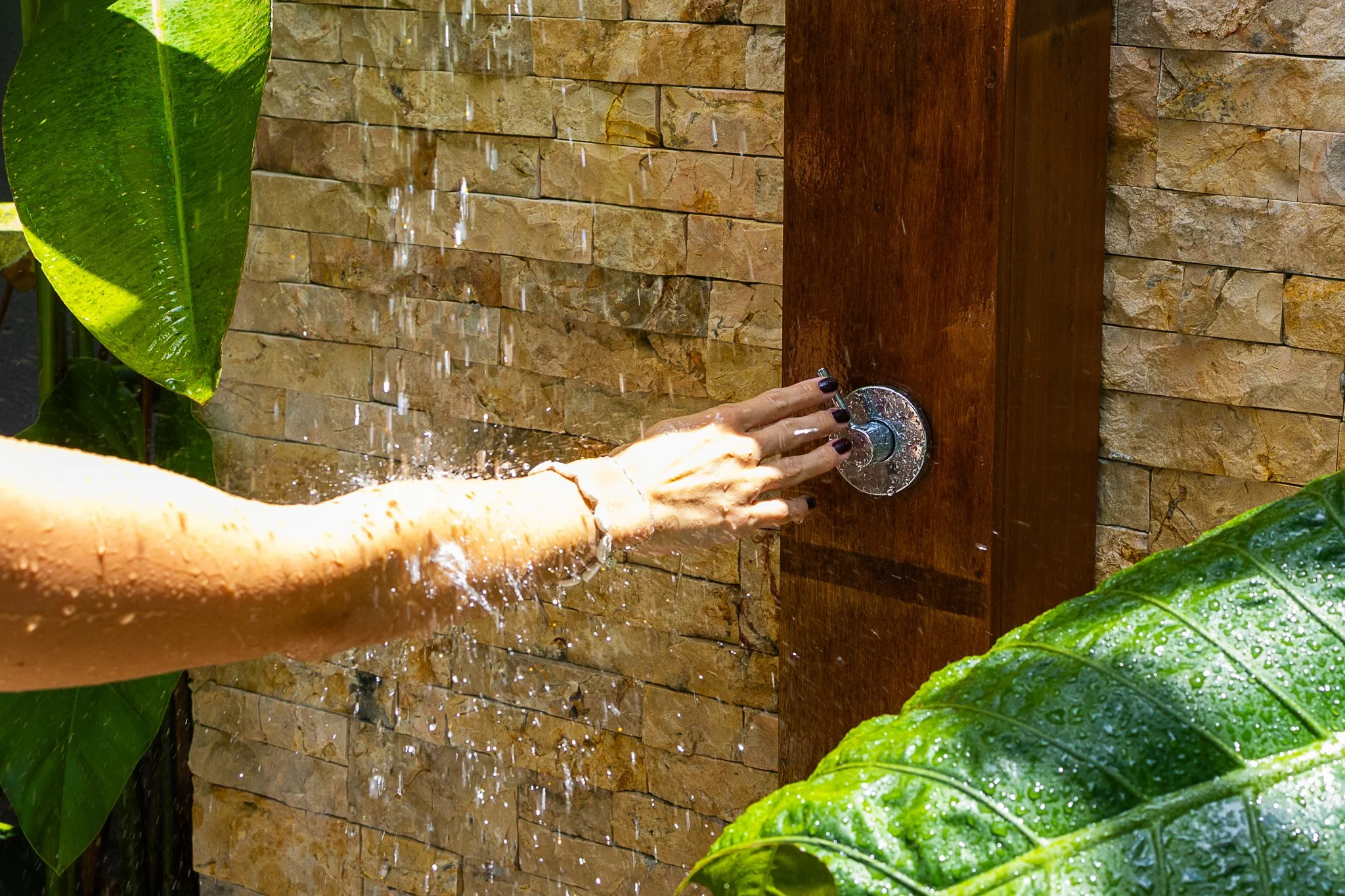
textures and materials
indoor-outdoor spaces
the swimming pool
tropical surroundings
small design details
different perspectives throughout the property
The result is a collection of images that feels calm, immersive and timeless.
6. Why photography matters for hospitality
A hotel, villa or resort is experienced in three dimensions, but potential guests often discover it through a screen.
Photography therefore becomes one of the first points of contact between a property and its future guests.
The images need to do more than show that a room exists. They need to communicate atmosphere, character and a sense of place.
For hospitality brands, strong photography can help create a consistent visual identity across a website, booking platforms, social media and marketing campaigns.
And for a destination like Ubud, where the environment is such an important part of the experience, photography should make that connection immediately visible.
Related: Get in touch to discuss your visual content strategy →
7. A visual story of Ubud
Ubud is known for its lush landscapes, rice terraces, traditional architecture, wellness culture and slower pace of life.
But every property interprets that atmosphere differently.
Some are deeply connected to the jungle. Others focus on contemporary architecture, minimalist interiors or traditional Balinese design.
Hospitality photography Worldwide
I am a hospitality photographer based in France and available worldwide, working with hotels, resorts, villas and travel brands to create photography and visual content that brings their spaces and experiences to life.
Whether it is a private villa in Bali, a boutique hotel in Europe or a resort somewhere completely new, my approach is always the same:
Look beyond the room.
Find the atmosphere.
Tell the story of the place.
Related: Let's plan your shoot together →
Run a hotel or a charming guesthouse and want your place told through images?