Why your hotel photos are costing you bookings:
You've put so much care into your property. The decor, the breakfast, the little details that make guests feel at home the moment they walk through the door. But here's the thing, if your photos don't show that, none of it matters online.
In a world where travelers book with their eyes before they even read a single word, hotel photography is no longer optional. It's one of the most powerful marketing tools you have. And yet, it's one of the most underestimated.
This guide breaks down everything you need to know, why it matters, what it includes, how to do it right, and how to make your visuals work harder for your bookings, all year long.
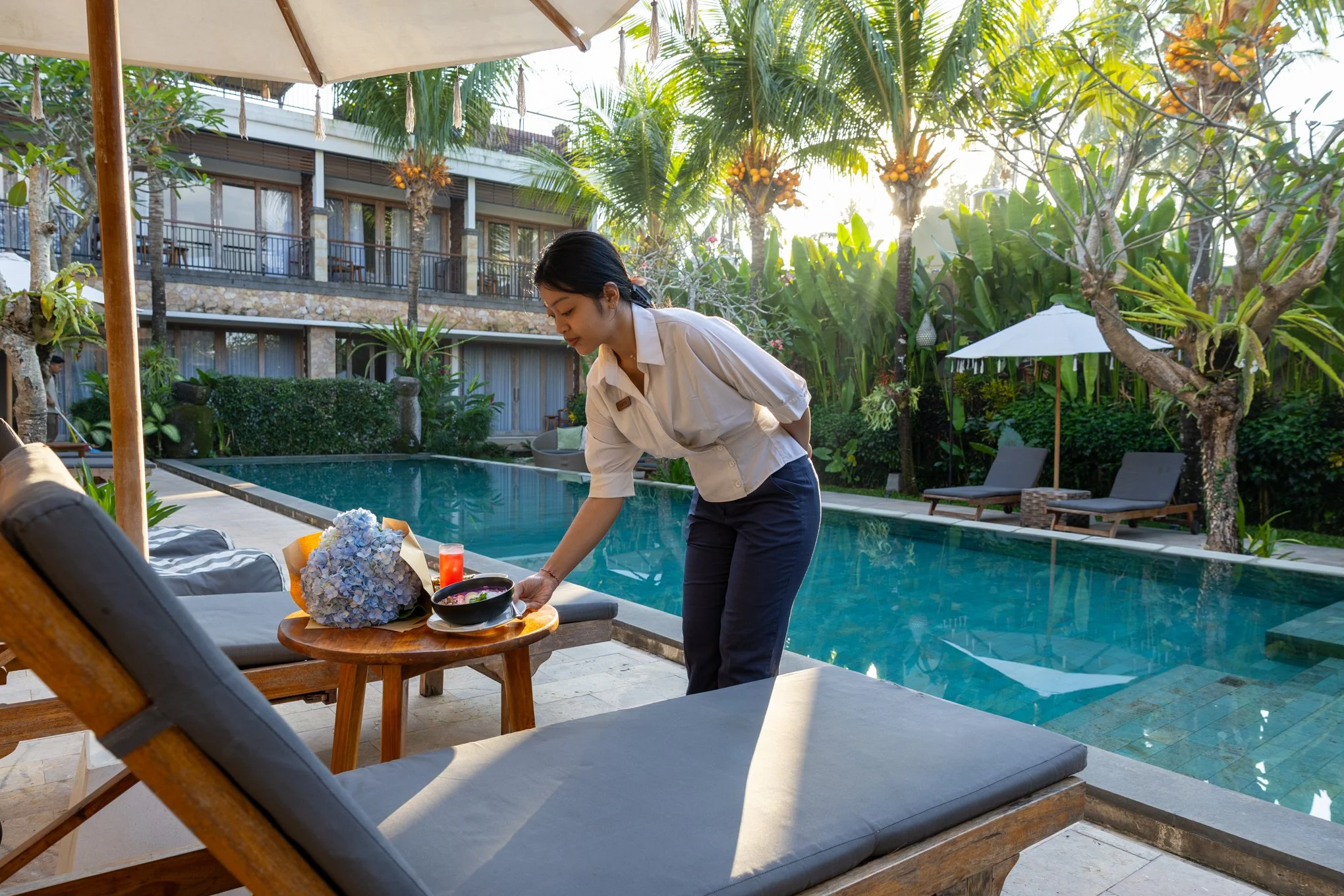
Table of contents
1. Why hotel photography directly impacts your revenue
Let's be honest, when was the last time you booked a hotel without looking at the photos first?
Studies consistently show that properties with high-quality images get significantly more clicks, more bookings, and higher nightly rates on platforms like Booking.com, Airbnb, and Google Hotels. According to Booking.com's own data, properties with more than 20 high-quality photos receive up to 150% more bookings than those with fewer images.
But it's not just about quantity. It's about feeling.
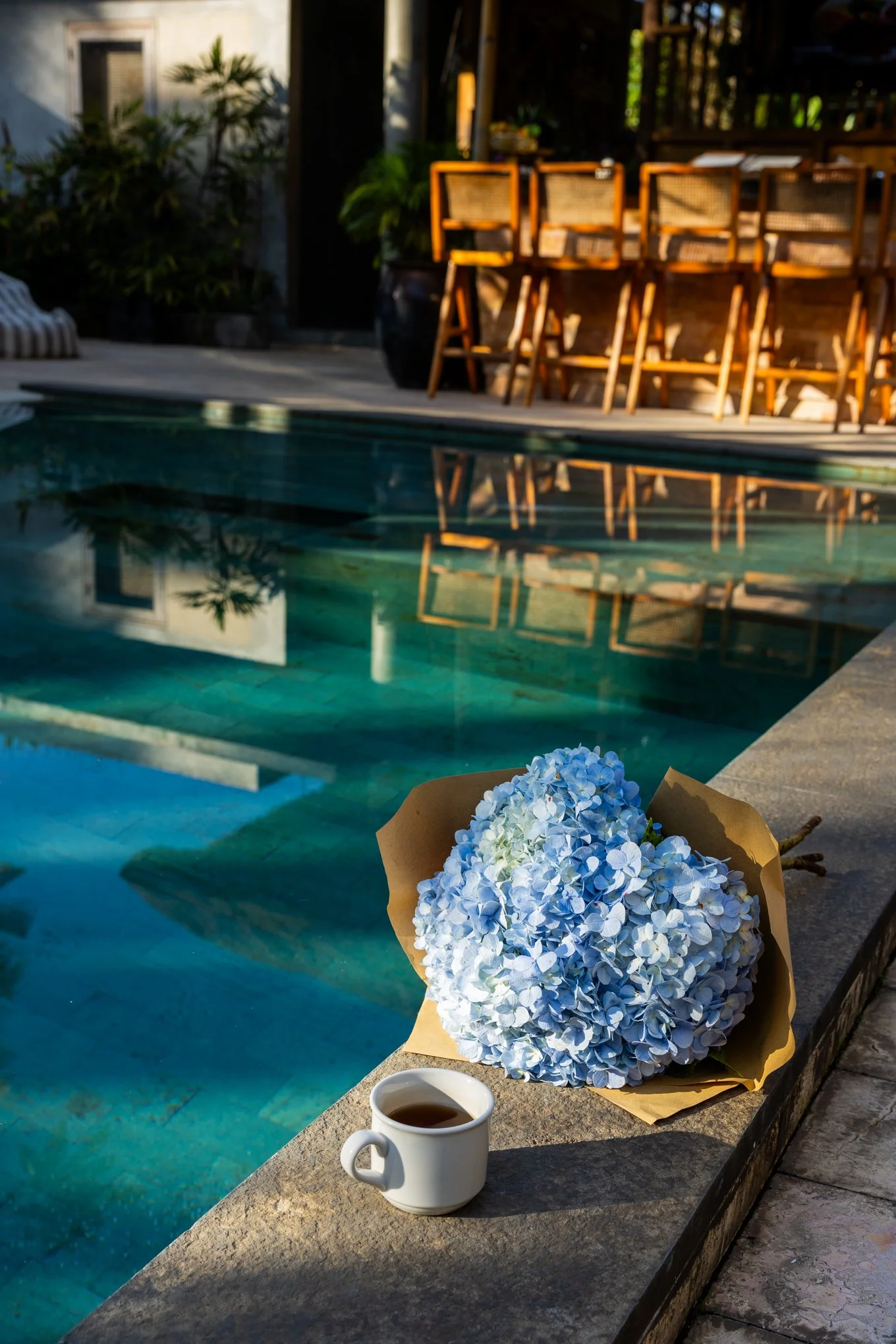
When a potential guest lands on your listing or your website, they're not just looking for information, they're trying to imagine themselves there. They want to feel the morning light on the terrace. They want to picture themselves sipping coffee by the pool. They want to want to be there.
That's exactly what lifestyle hotel photography does. And it's why the right visuals can be the difference between a full calendar and a half-empty one.
2. What is lifestyle hospitality photography?
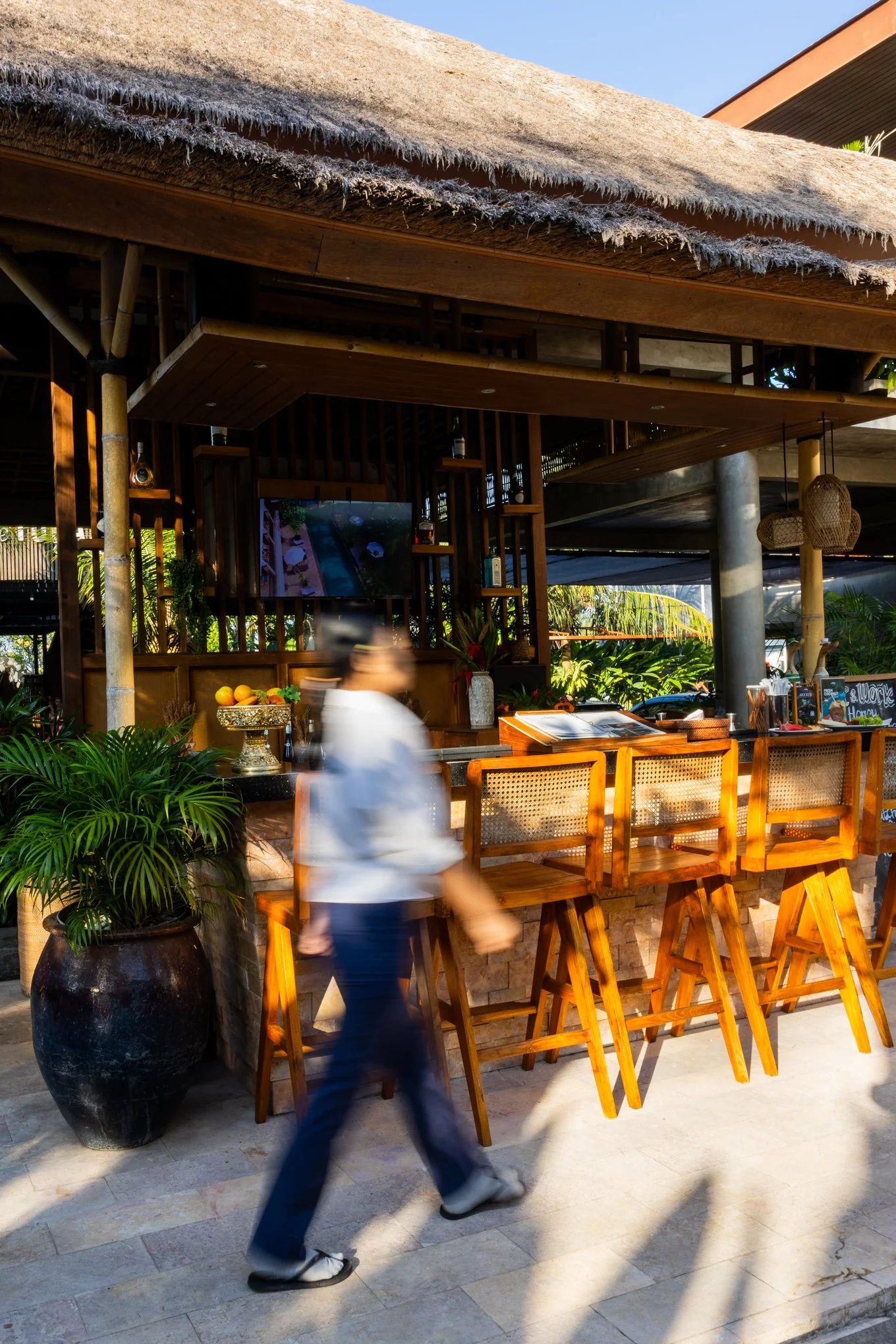
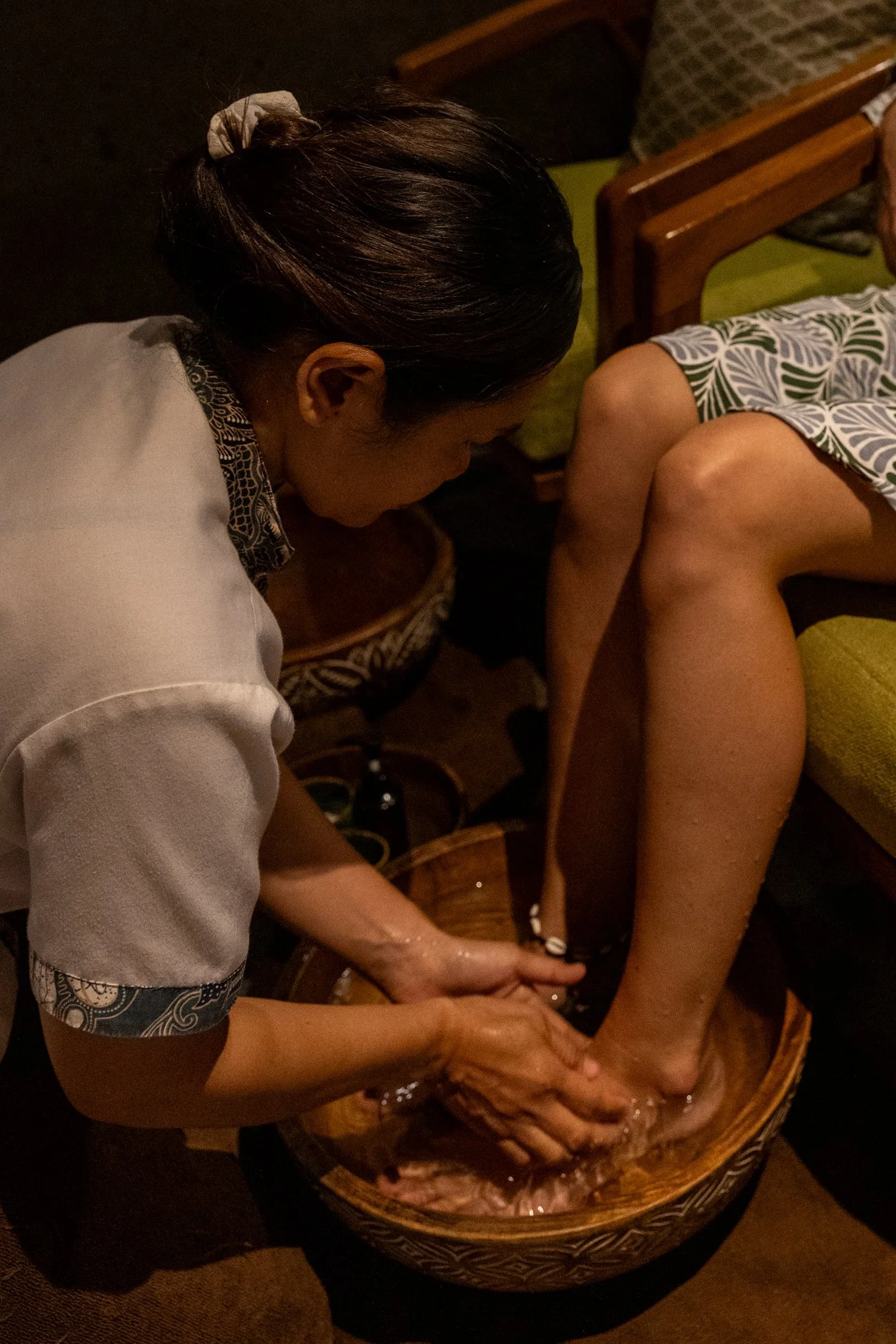
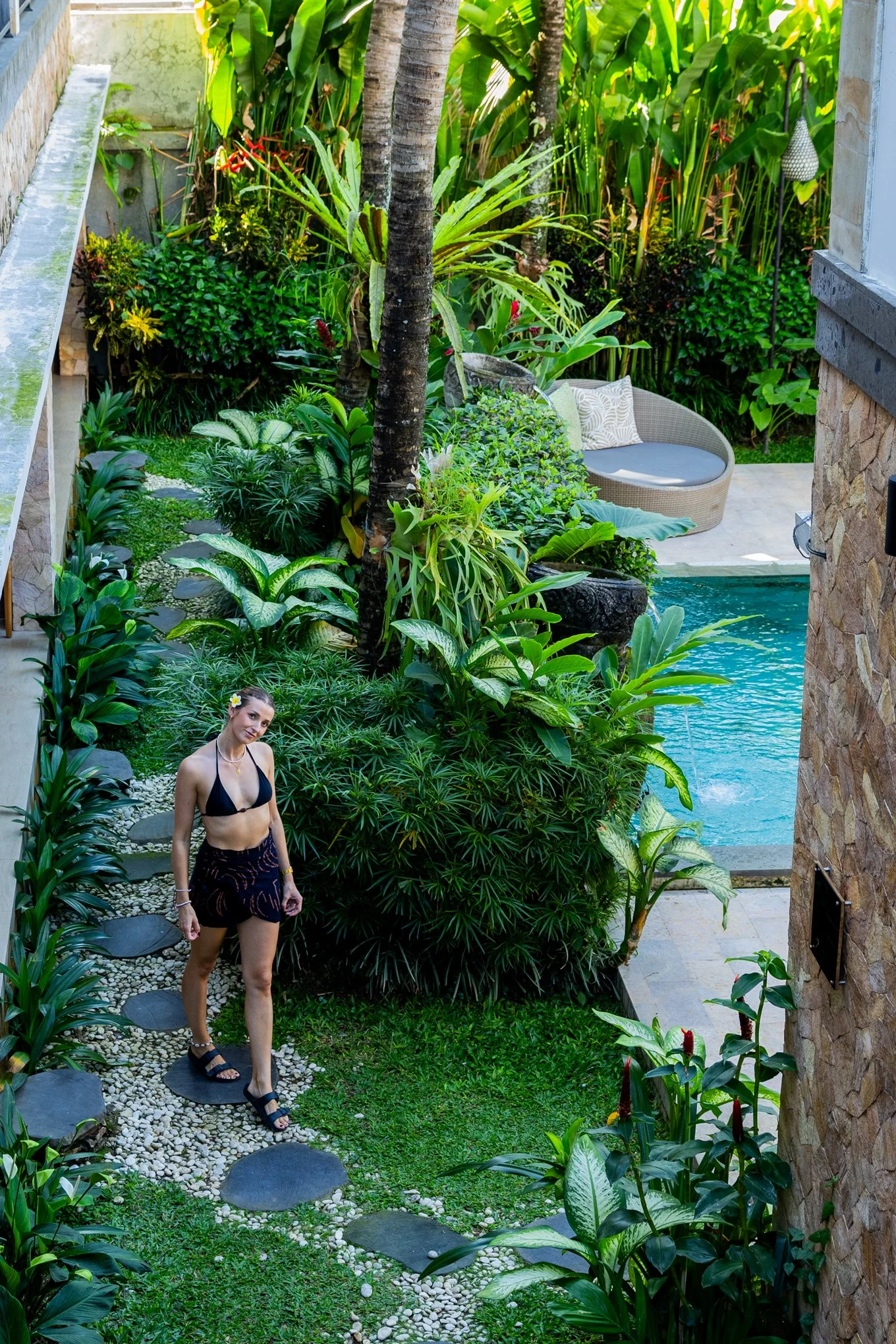
Lifestyle hospitality photography is a genre of professional hotel photography that goes beyond documenting spaces. Instead of cold, empty room shots, it's about telling the story of the experience your guests will live when they stay with you.
Think:
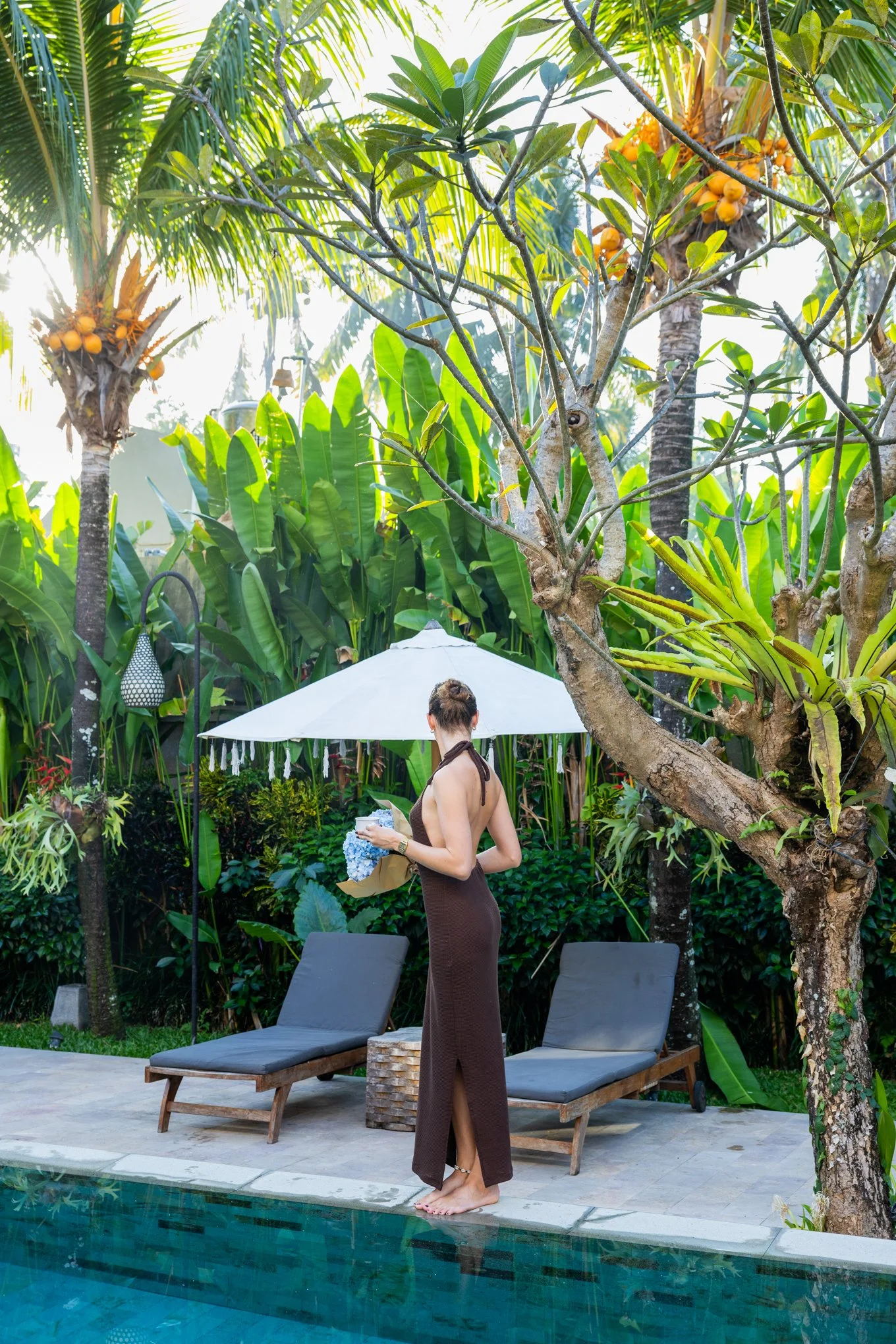
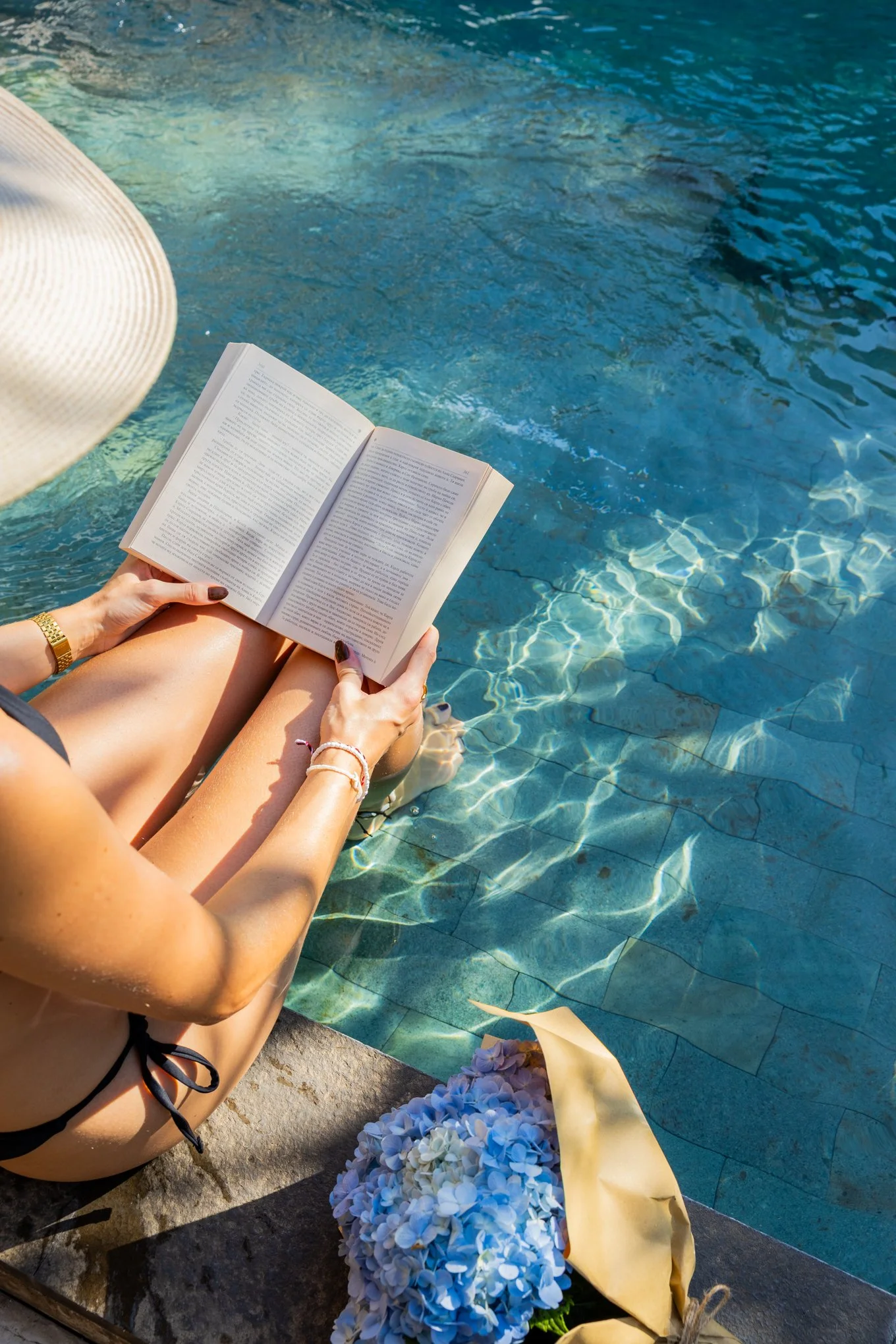
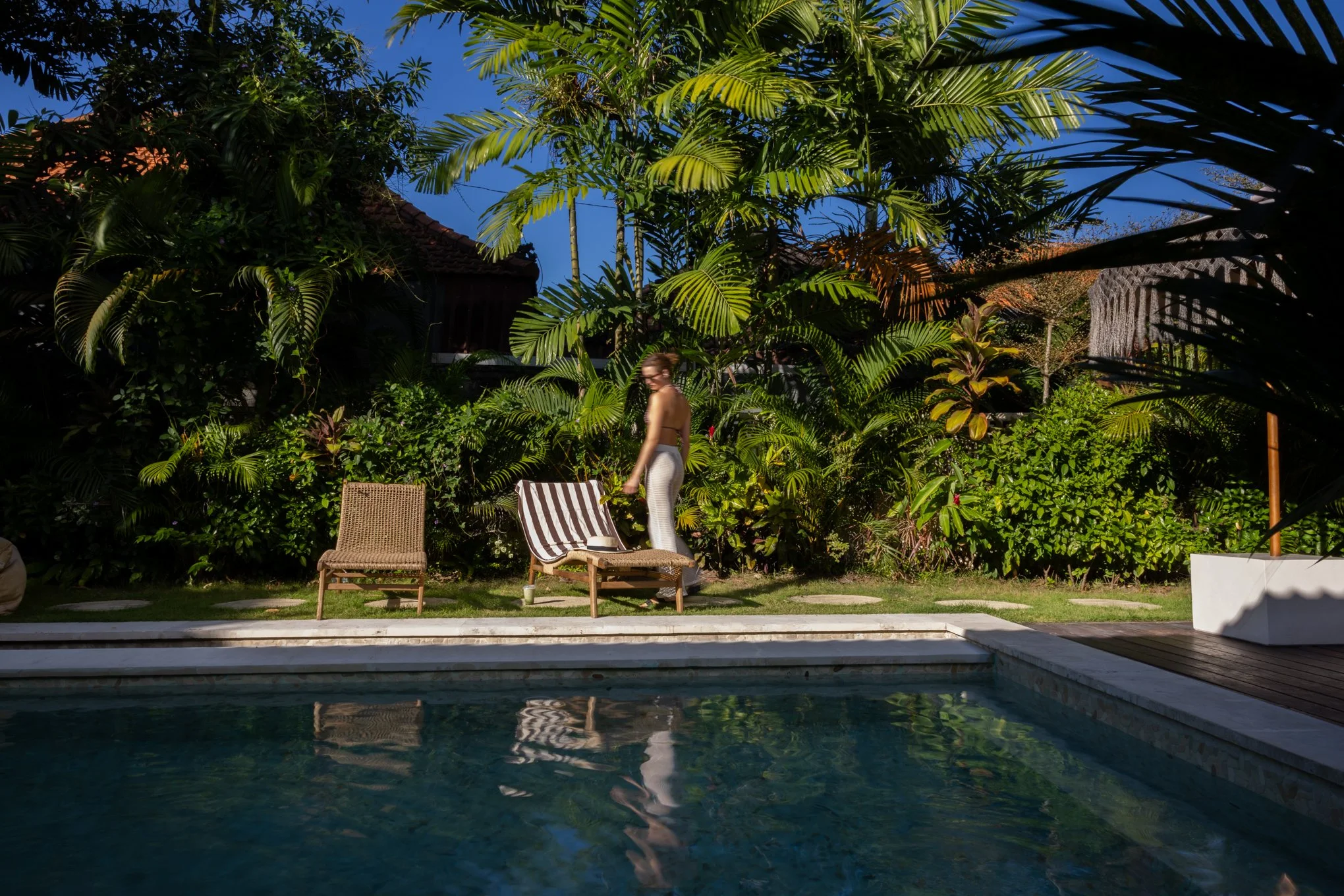
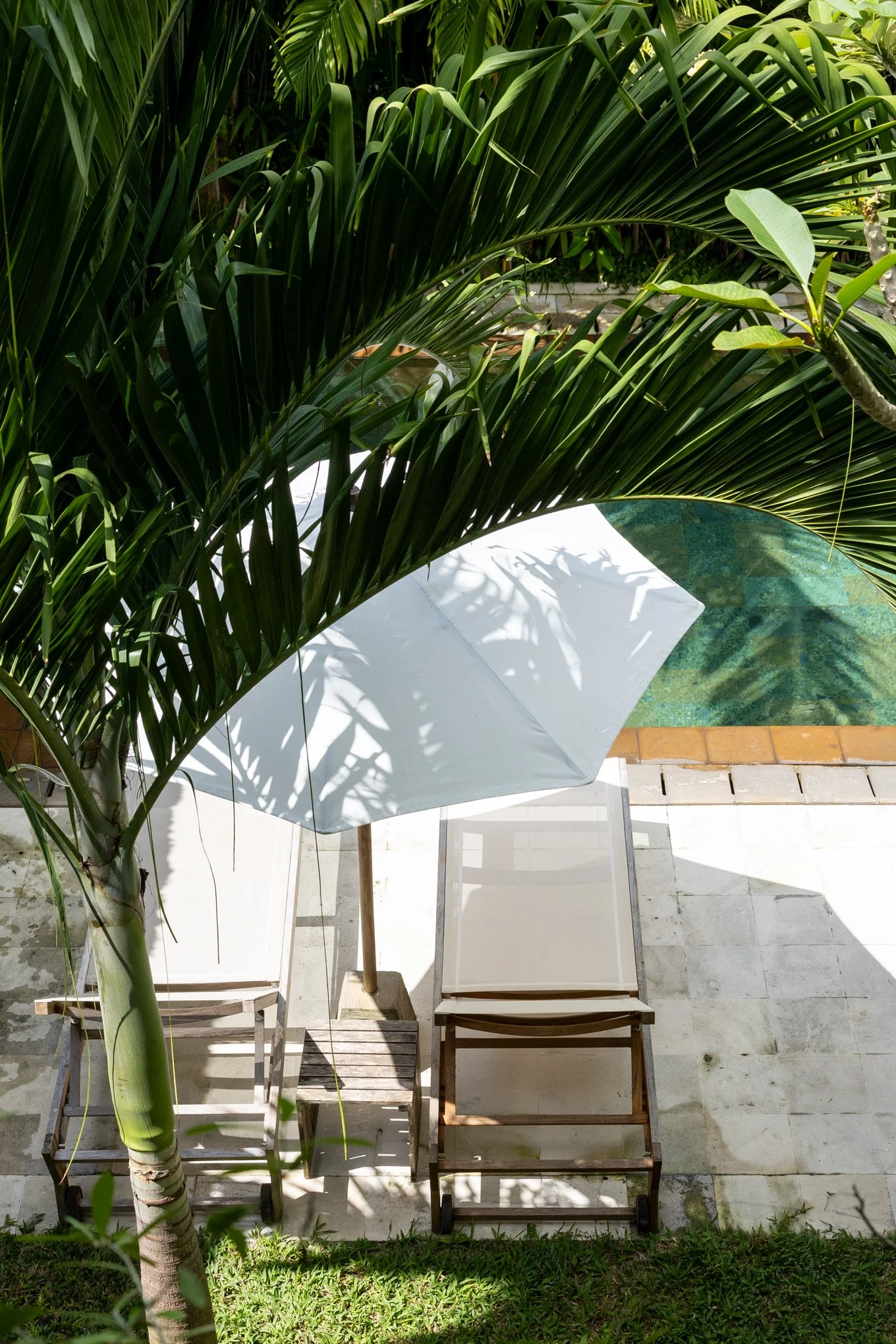
A guest reading on a sun-drenched lounger by the pool
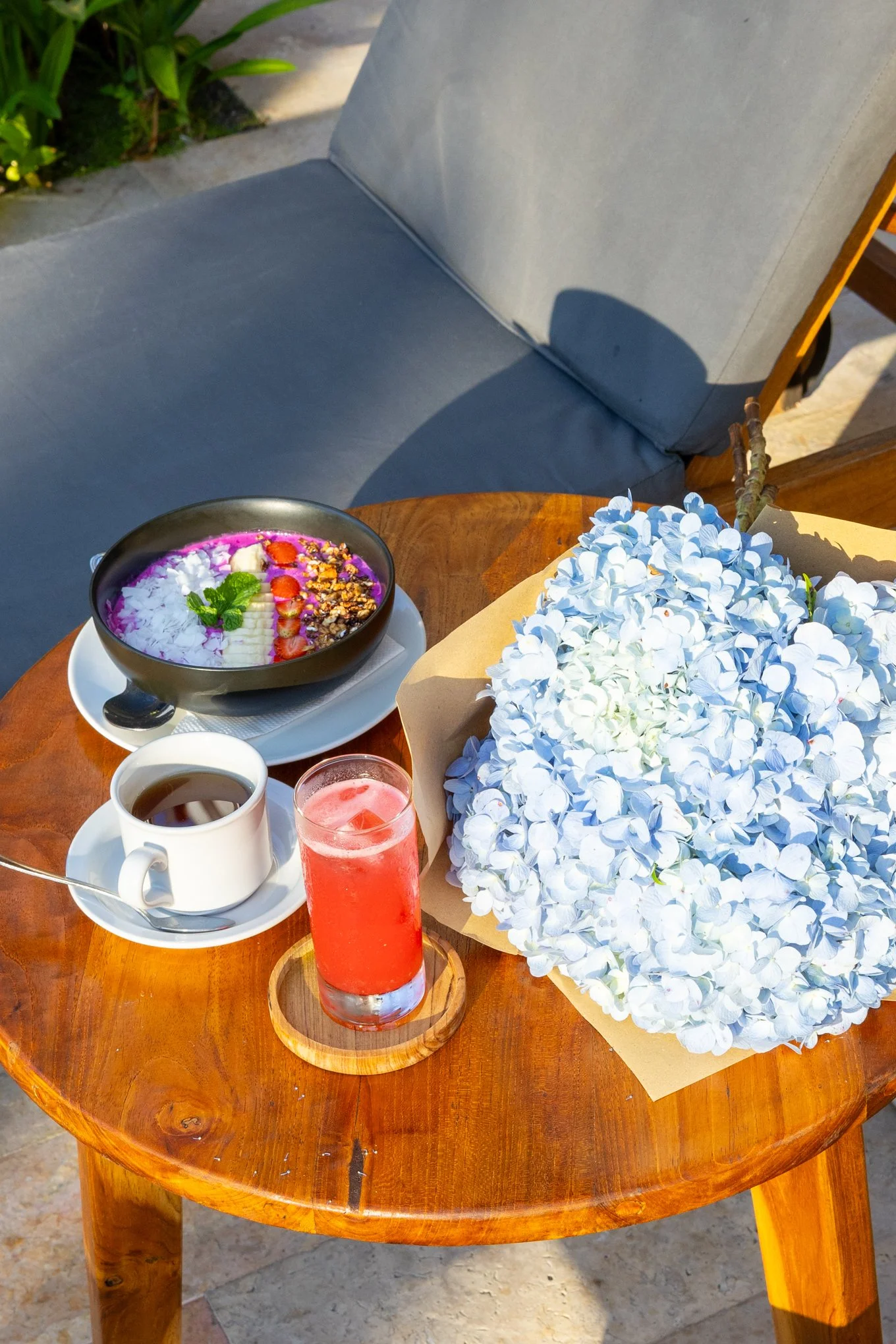
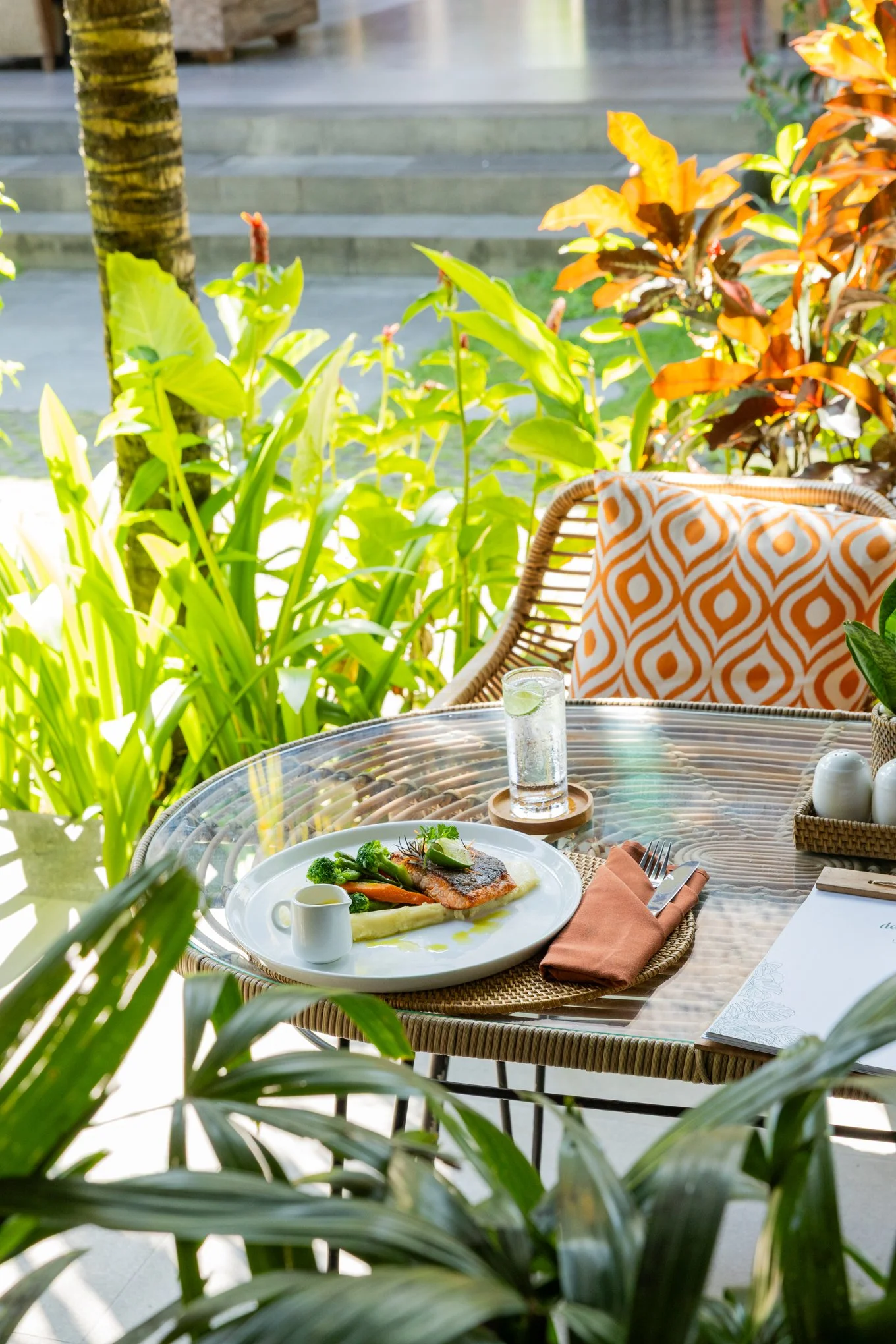
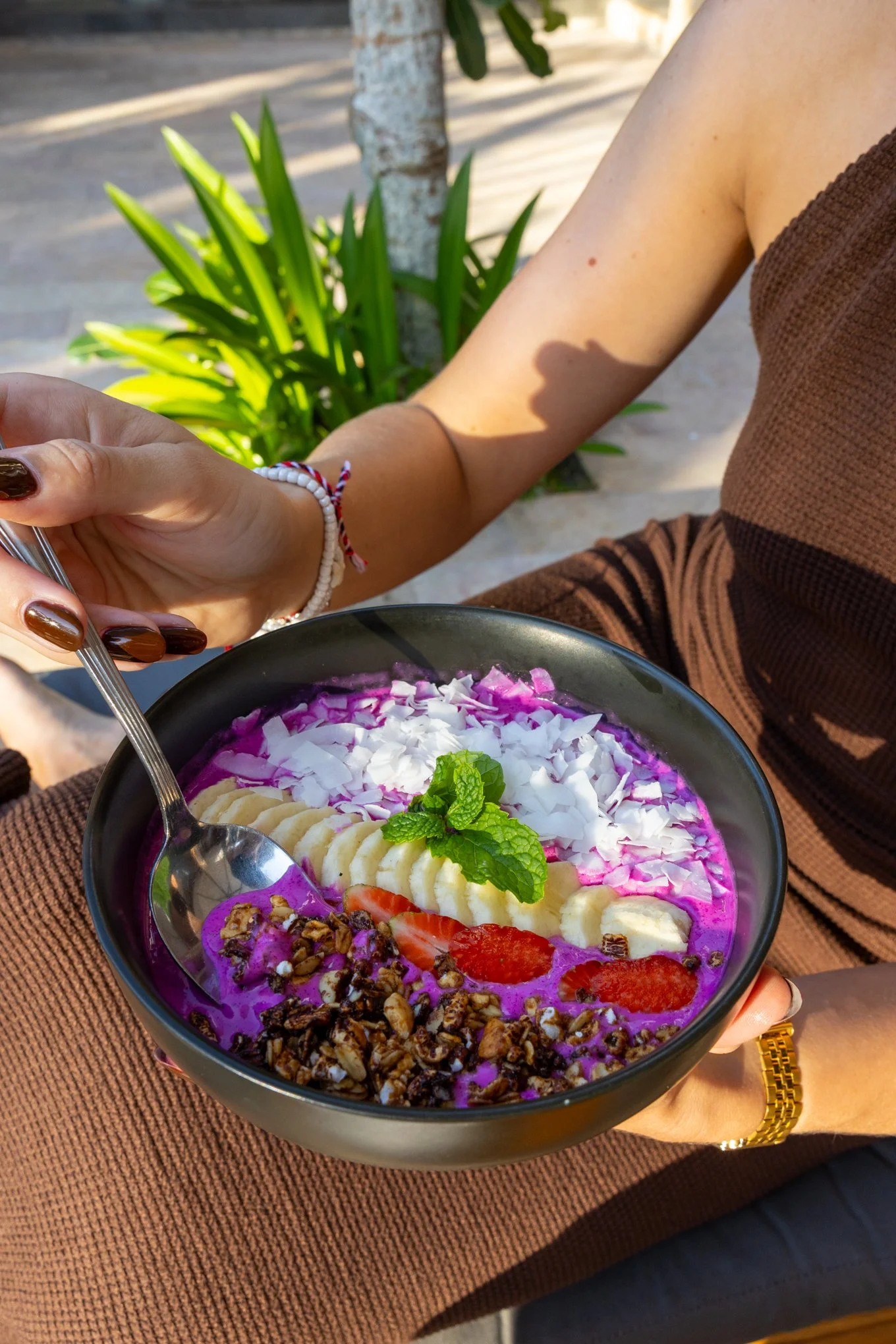
A beautifully set breakfast tray with morning light streaming through the curtains
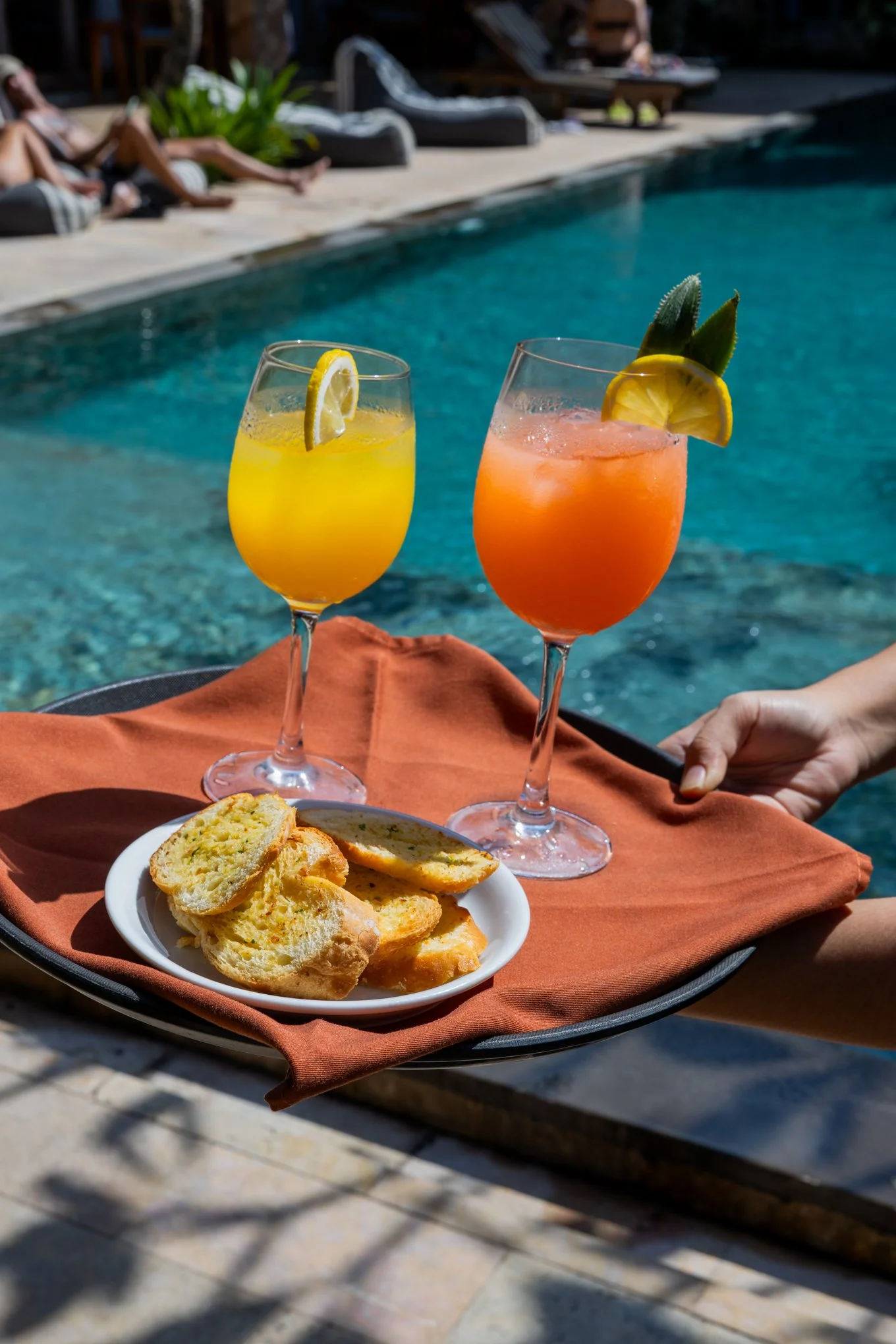
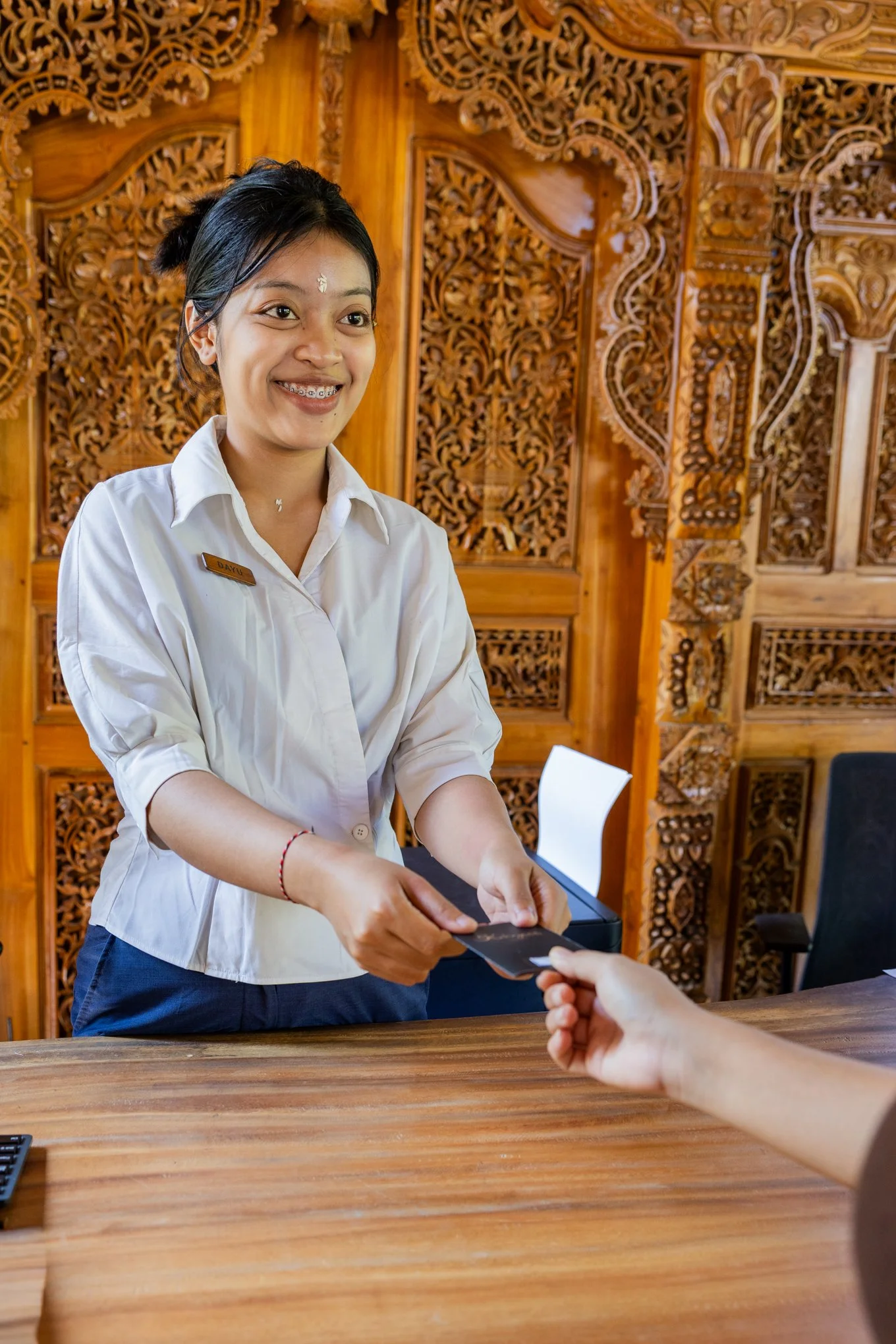
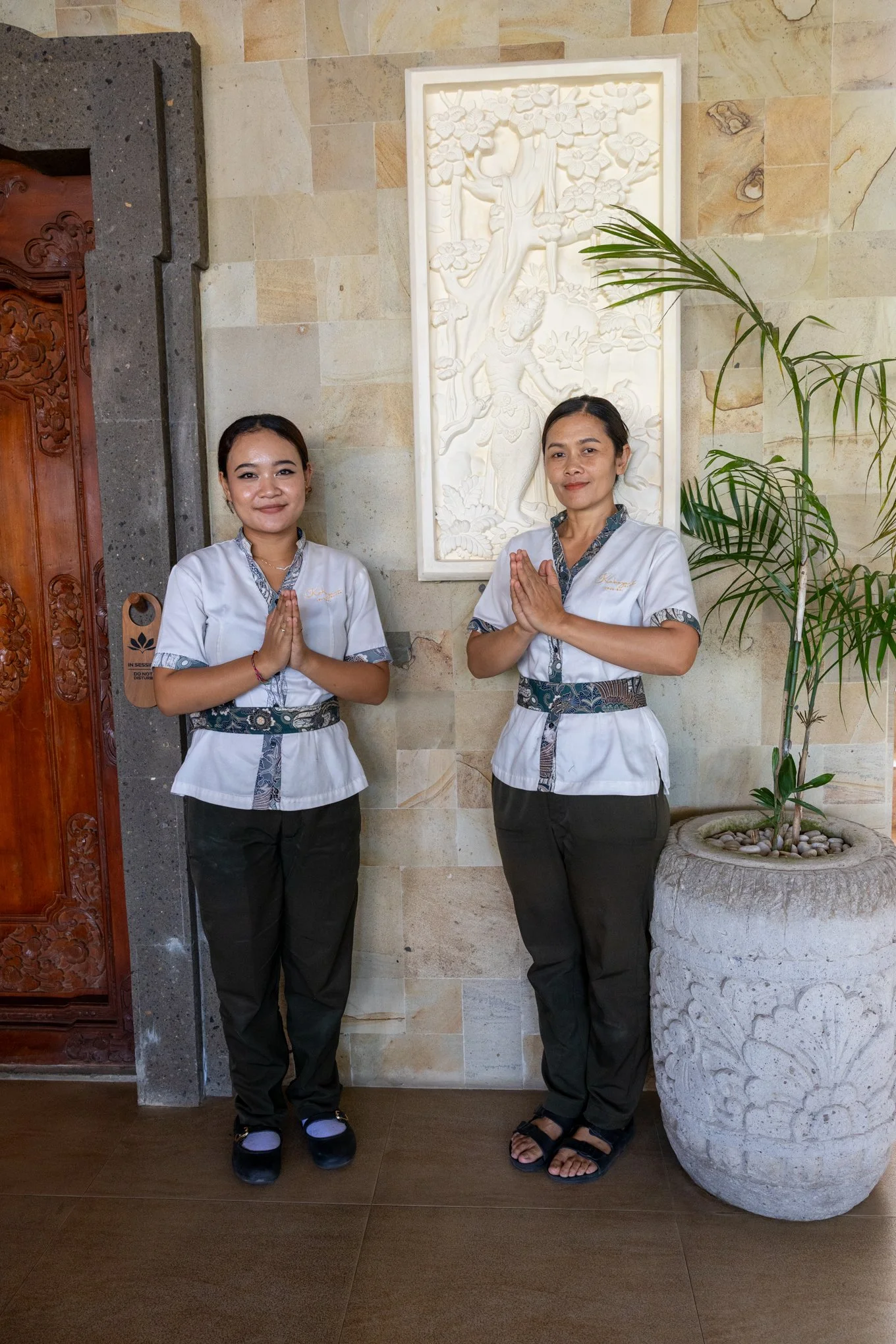
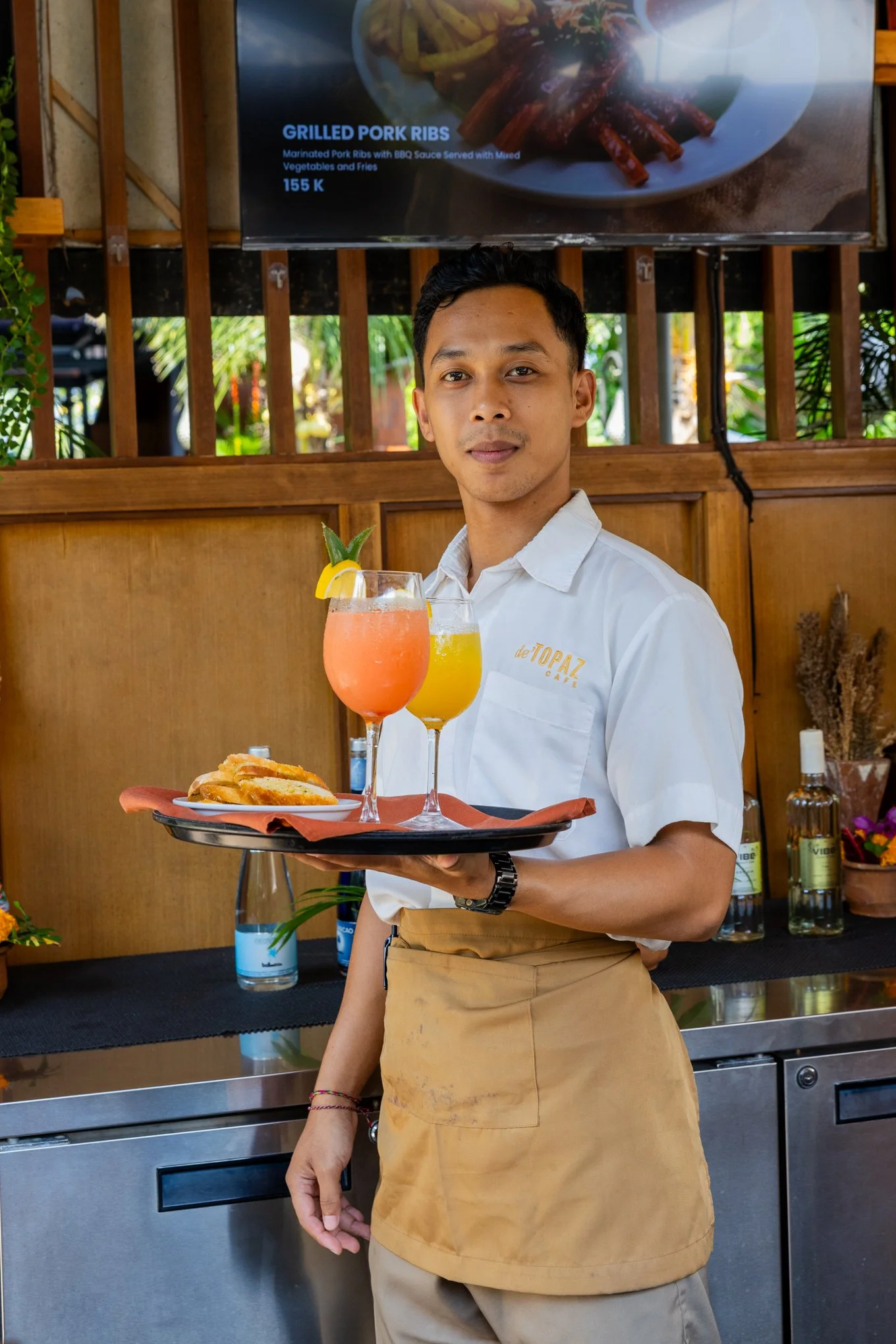
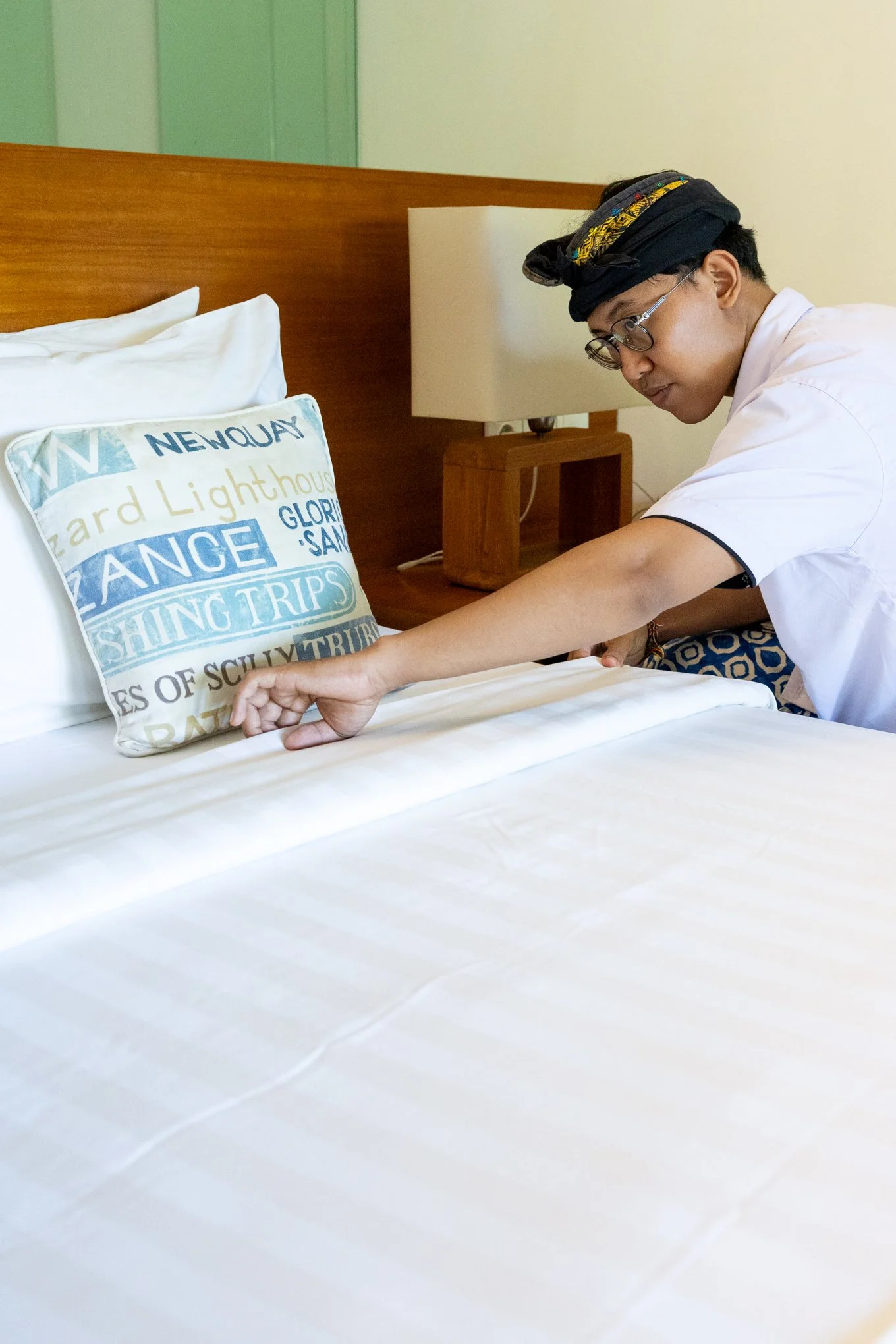
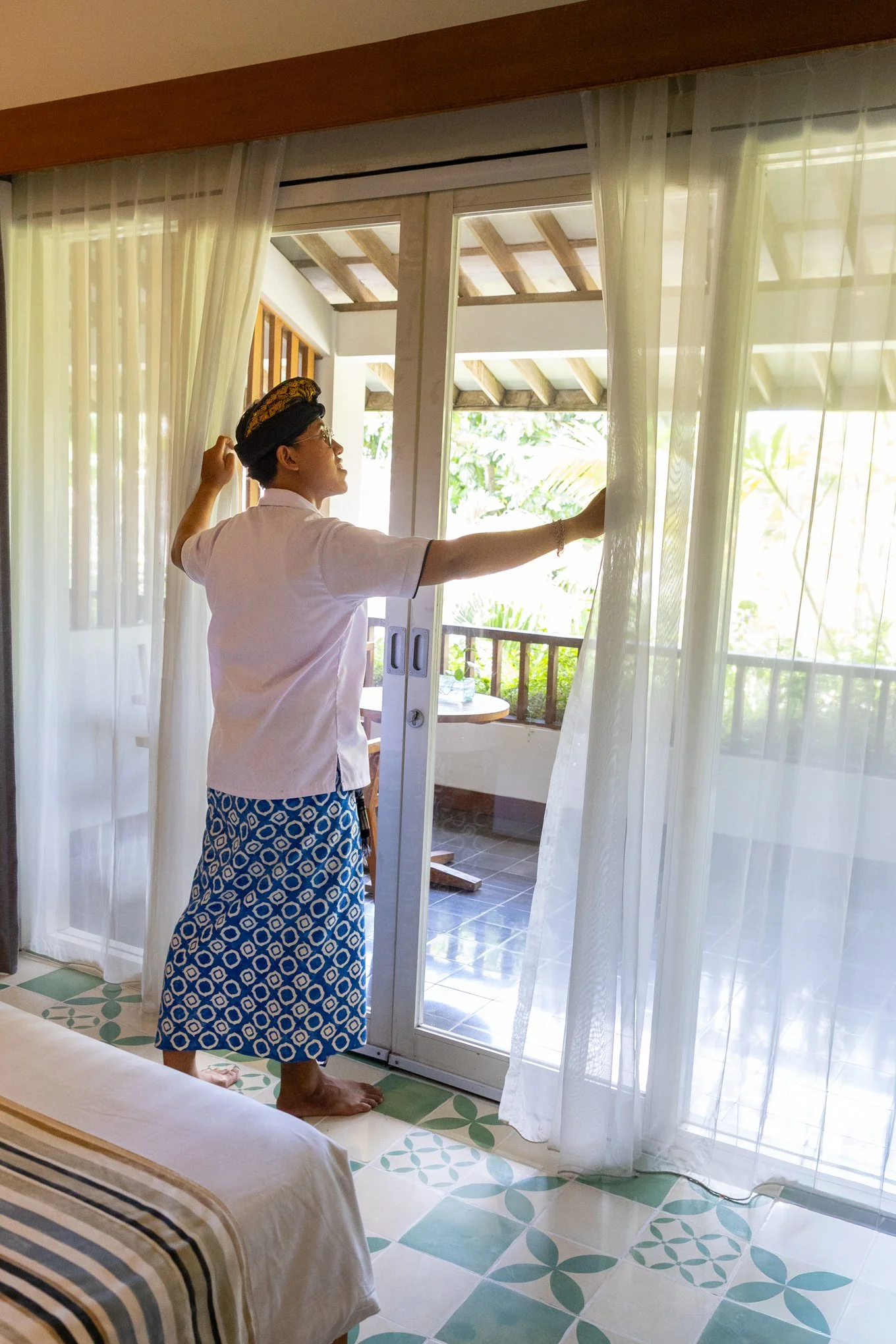
A staff member delivering cocktails with a warm smile
The hazy glow of your terrace at golden hour
It's real, warm, and immersive. It makes people feel something. And that emotional connection? That's what drives the click from "I'm browsing" to "I'm booking."
This approach works especially well for:
Boutique hotels that sell an experience, not just a room
Maisons d'hôtes (guesthouses) where the personal touch is the selling point
Luxury villas where the atmosphere is everything
Eco-lodges and design hotels where aesthetics are central to the brand
Related:See my full portfolio of hotel and resort photography →
3. Architectural vs. Lifestyle photography: what's the difference?
Both have their place, but they serve very different purposes.
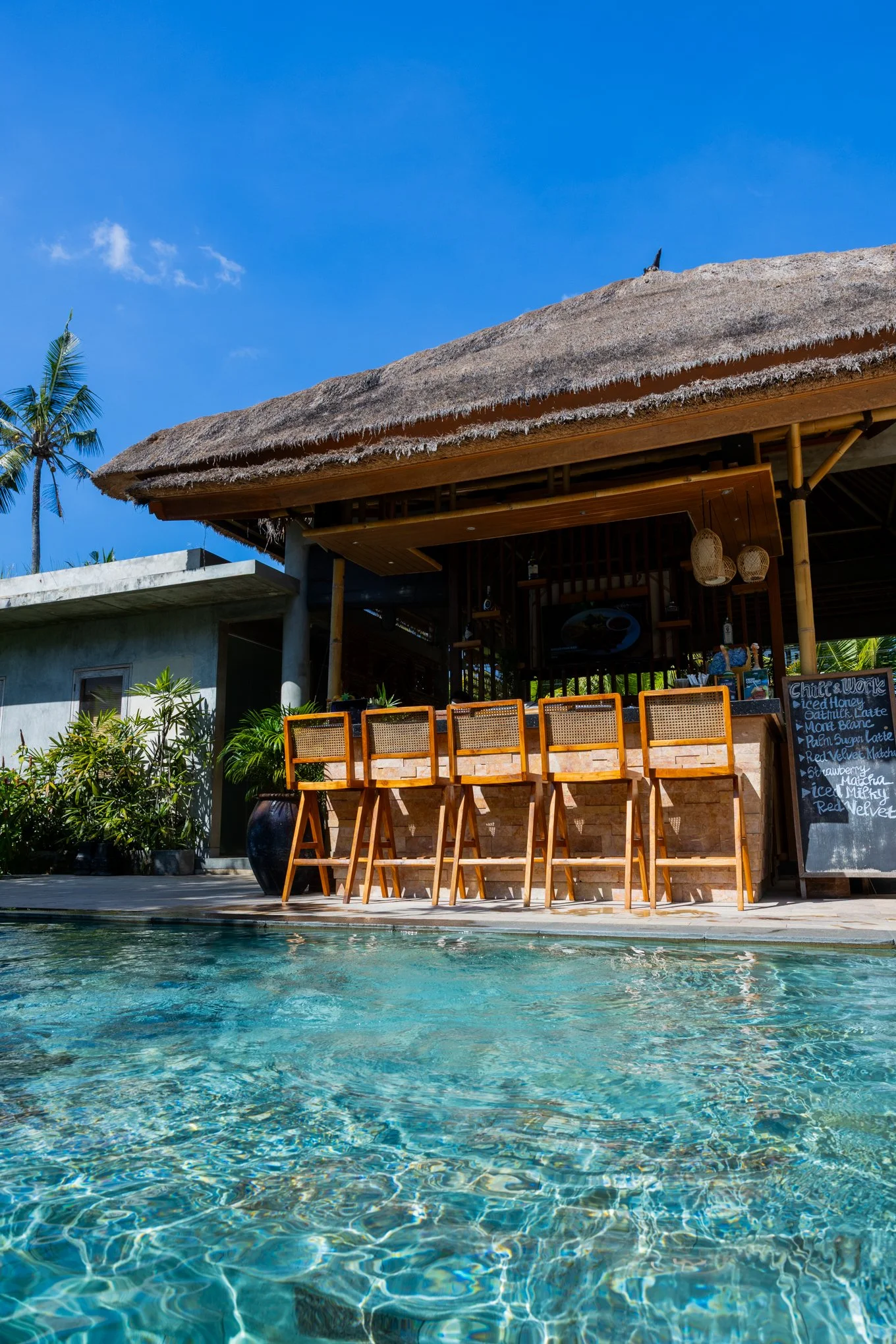
Architectural photography is clean, precise, and technical. It's ideal for press releases, architect portfolios, and construction/design showcases. Rooms are empty, symmetrical, perfectly staged. It documents the space.
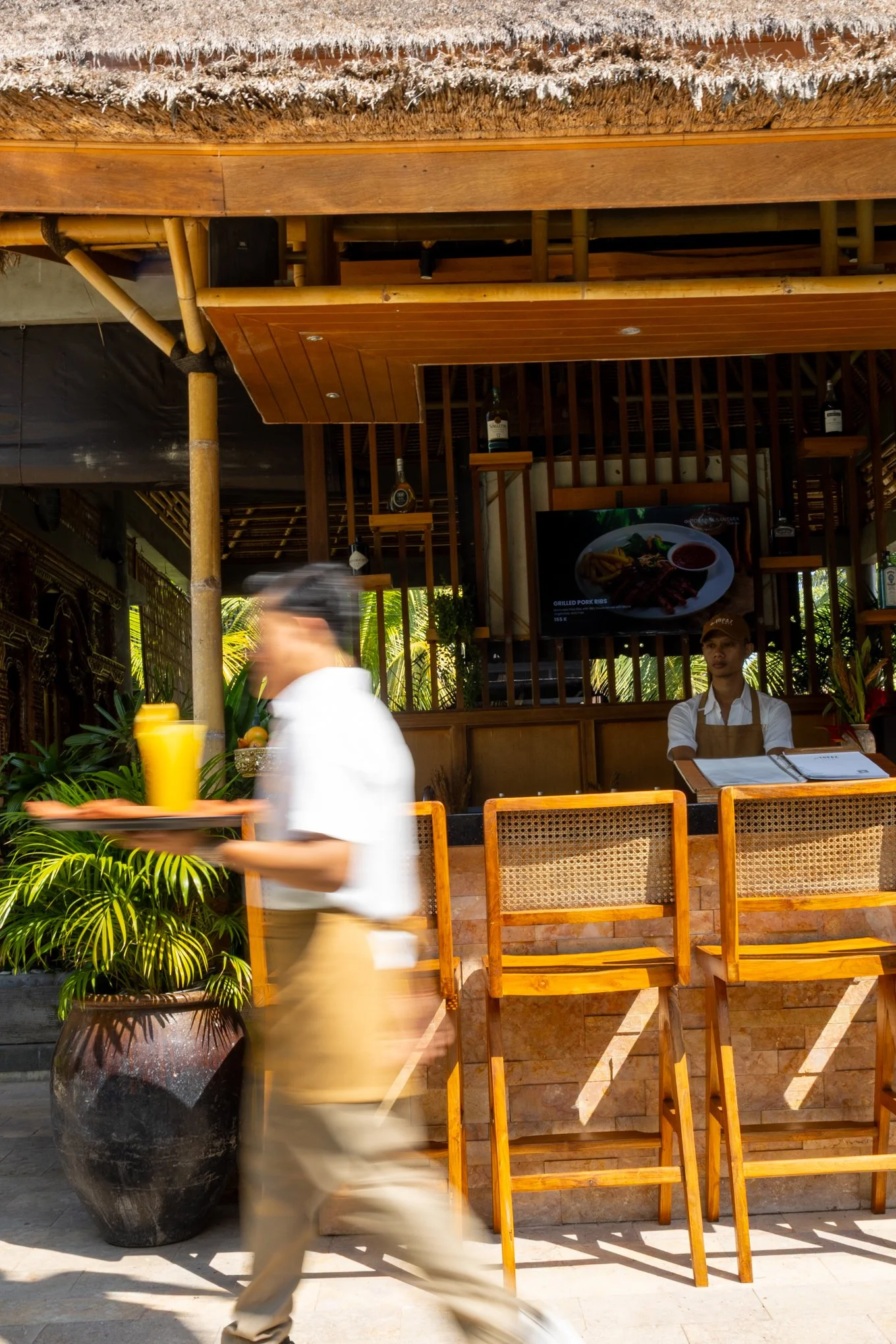
Lifestyle hospitality photography is warmer, more narrative, and more human. It sells the experience of being in the space. It's what works on Instagram, on your website hero image, and on OTA listings.
The truth? Most boutique hotels and guesthouses need lifestyle photography, not architectural shots. Your guests don't care about the geometry of your suite, they want to imagine waking up there.
That said, a good hospitality photographer will blend both approaches: clean establishing shots of the architecture combined with lifestyle moments that bring the space to life.
Related: Discover my approach to brand storytelling for hotels →
4. What a Professional Hotel Photoshoot Covers
A complete luxury hotel photography package typically covers multiple areas of the property to give you a full visual library. Here's what a professional shoot should include:
Exterior & Architecture
First impressions matter. Your exterior shots set the tone, they're often the first image a potential guest sees on Google, Maps, or your website homepage.
Rooms, Suites & Villas
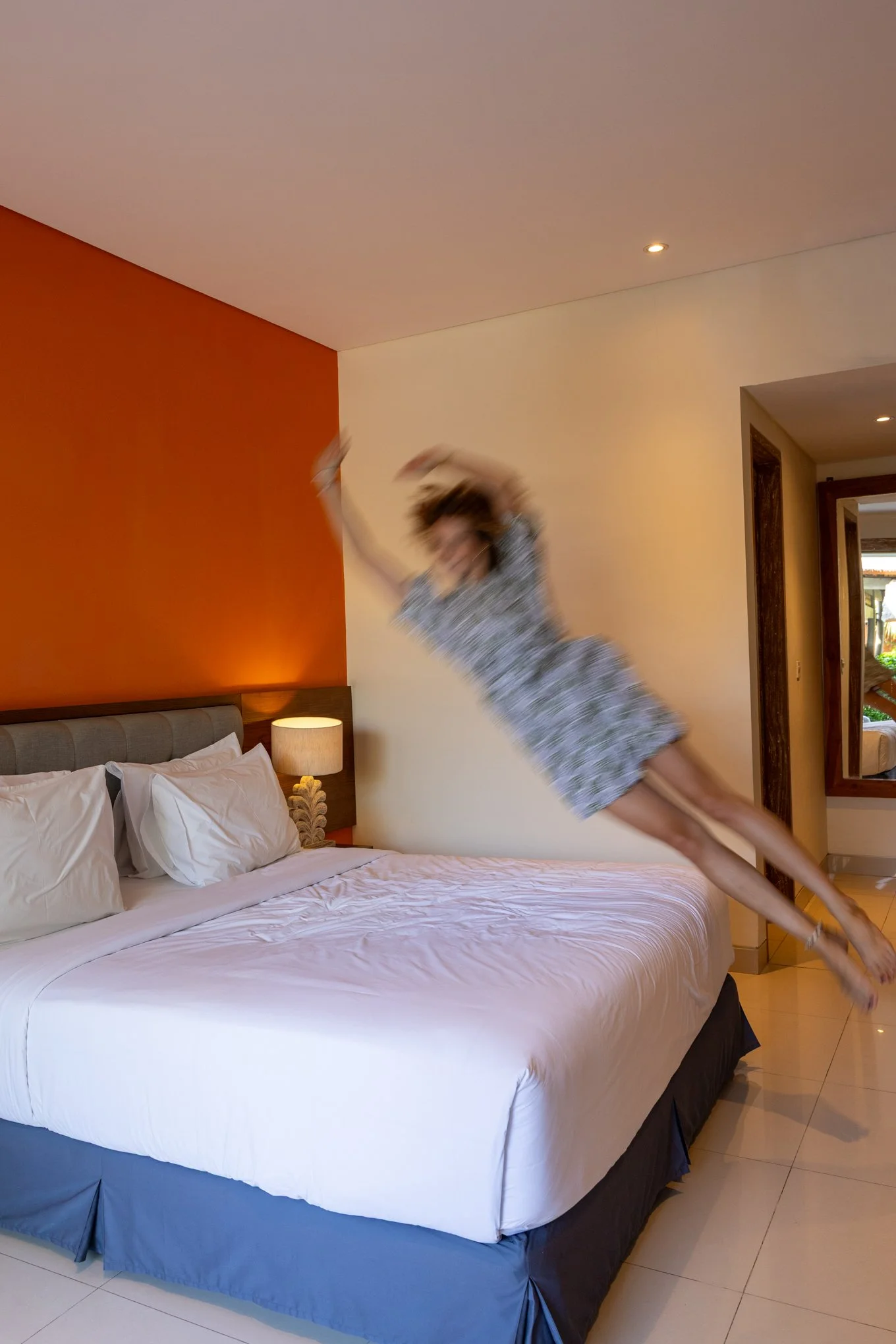
Each accommodation type deserves its own set of images. This includes wide establishing shots, detail shots (pillows, textures, artwork), and bathroom photography.
Pool & Wellness Areas
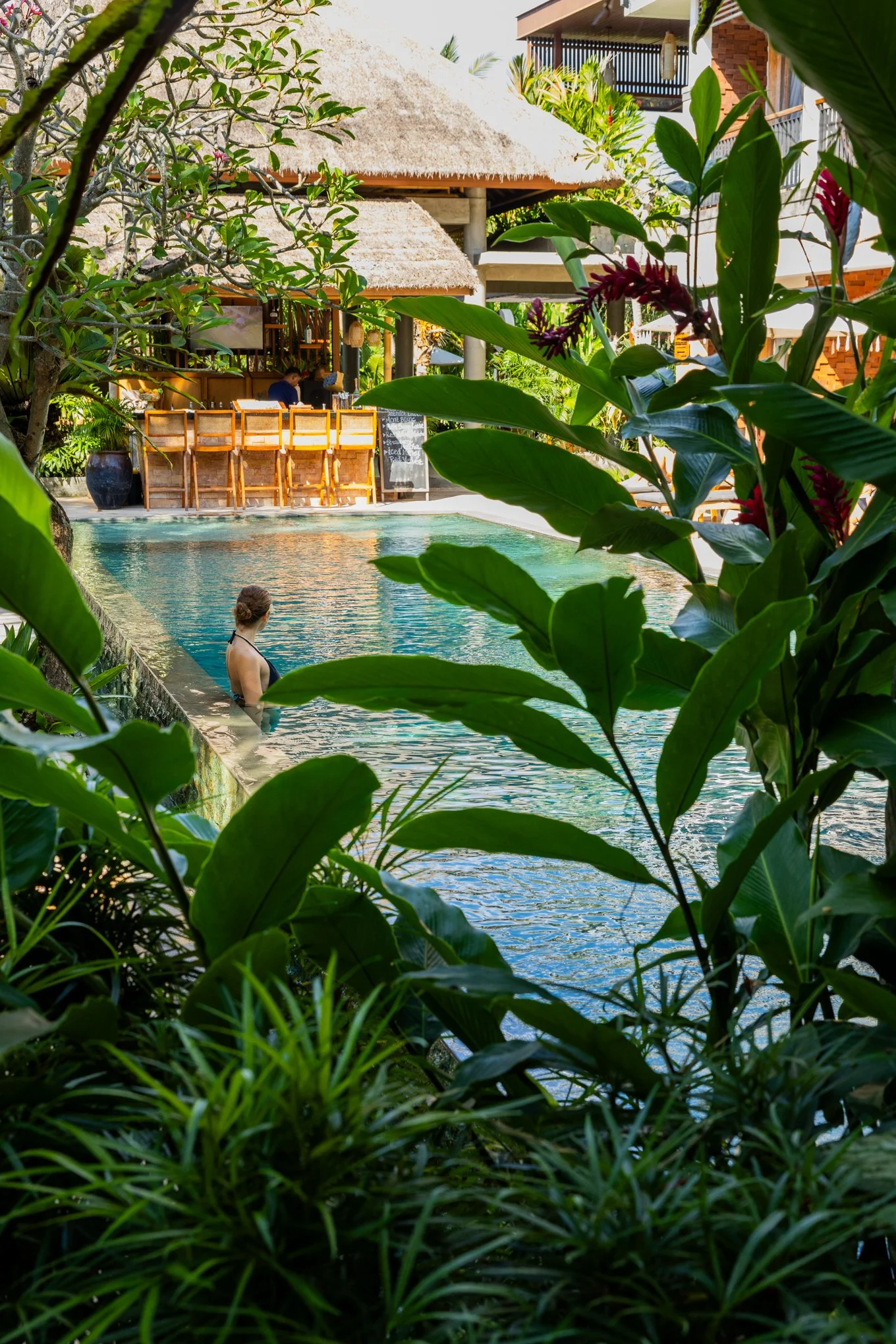
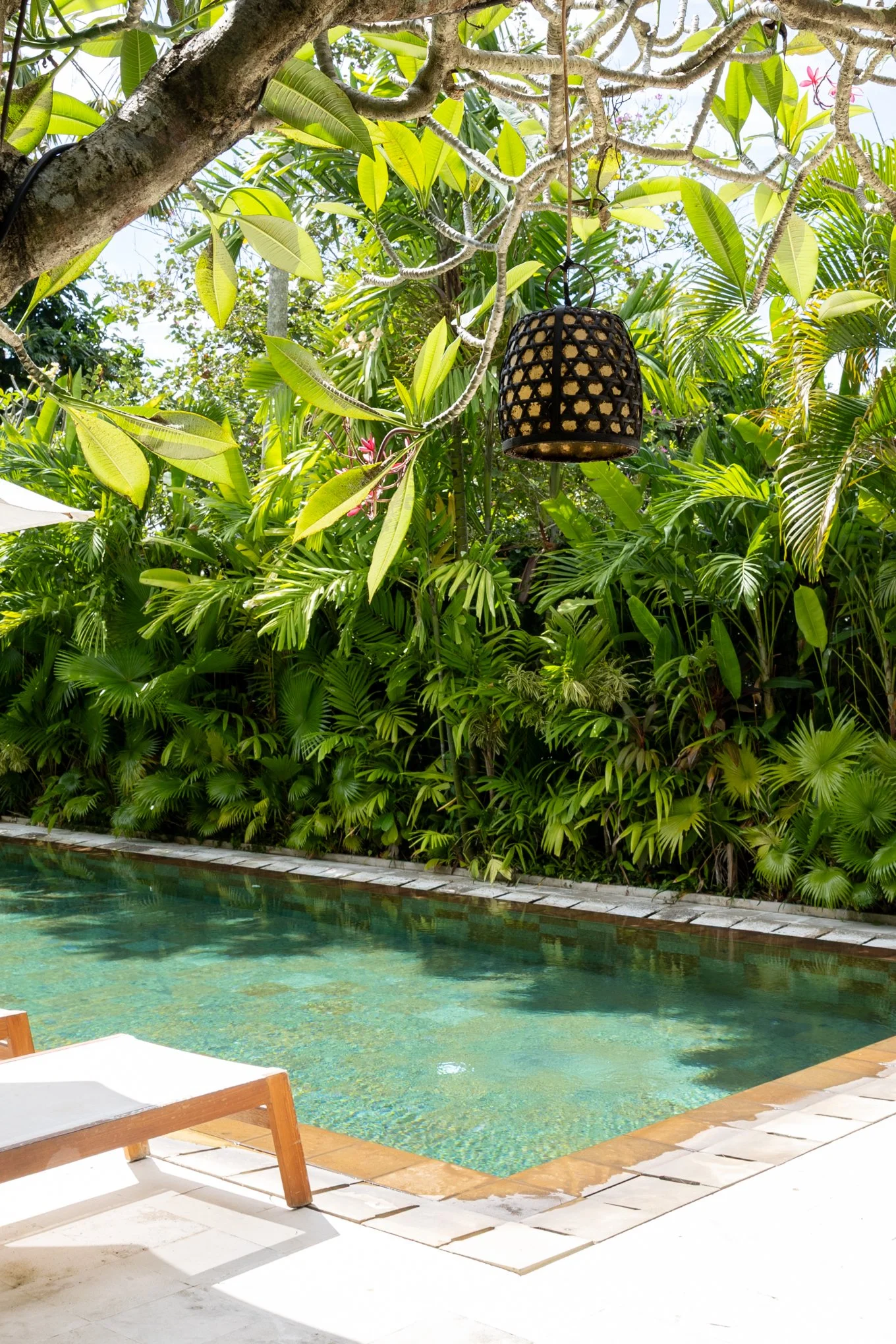
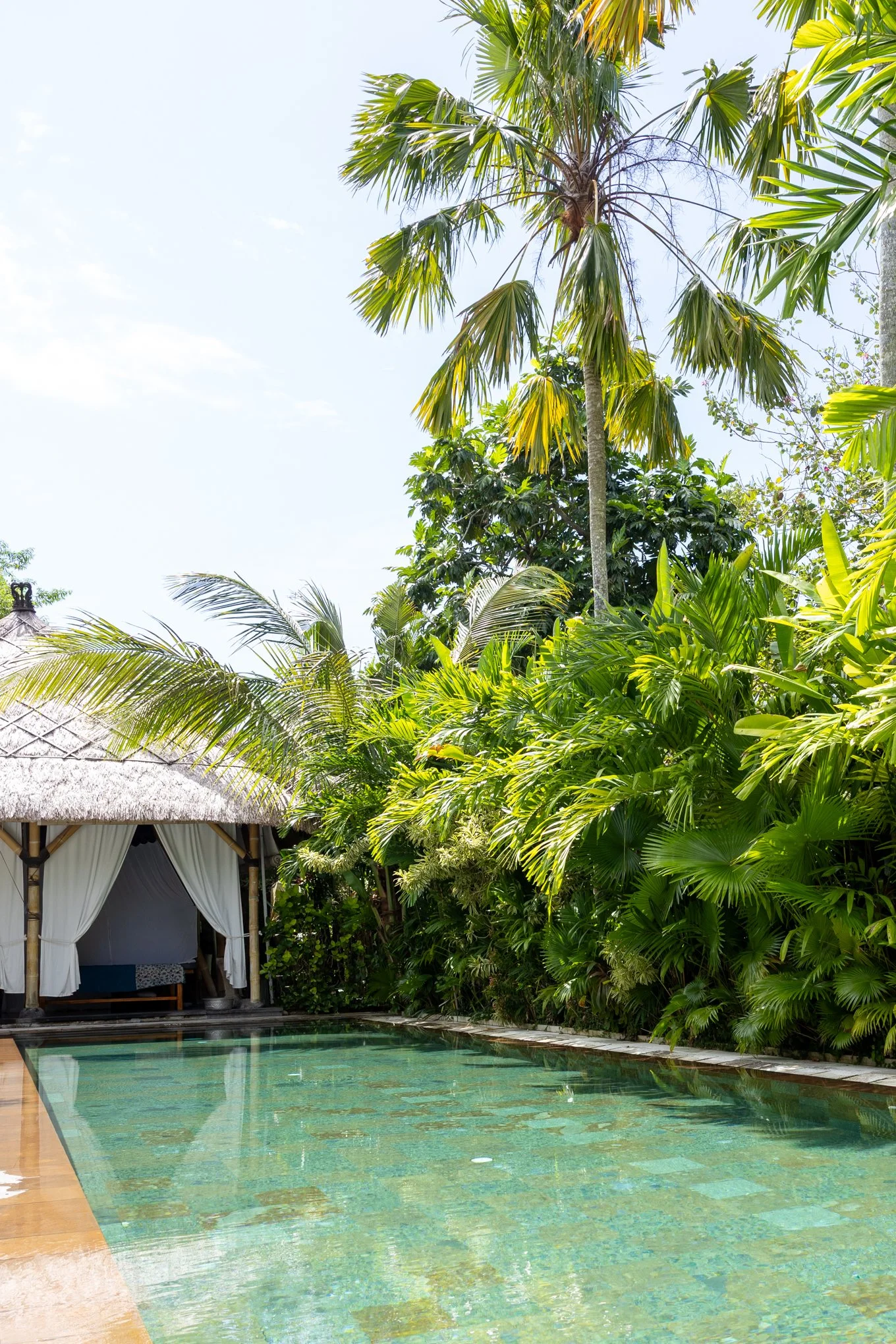
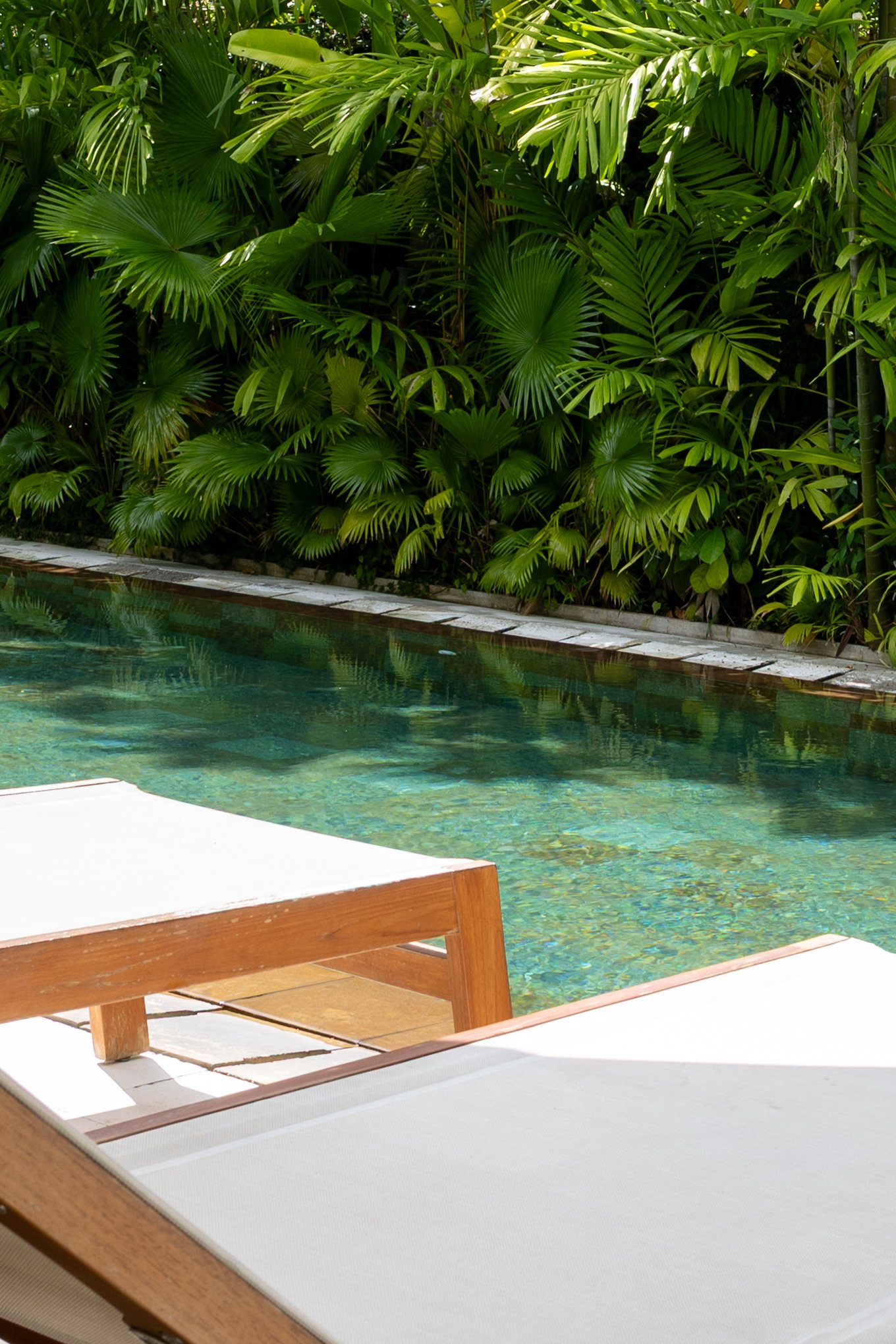
Pools are one of the highest-converting features in hotel photography. Spa and wellness spaces too, they evoke relaxation instantly.
Restaurant & Dining Spaces
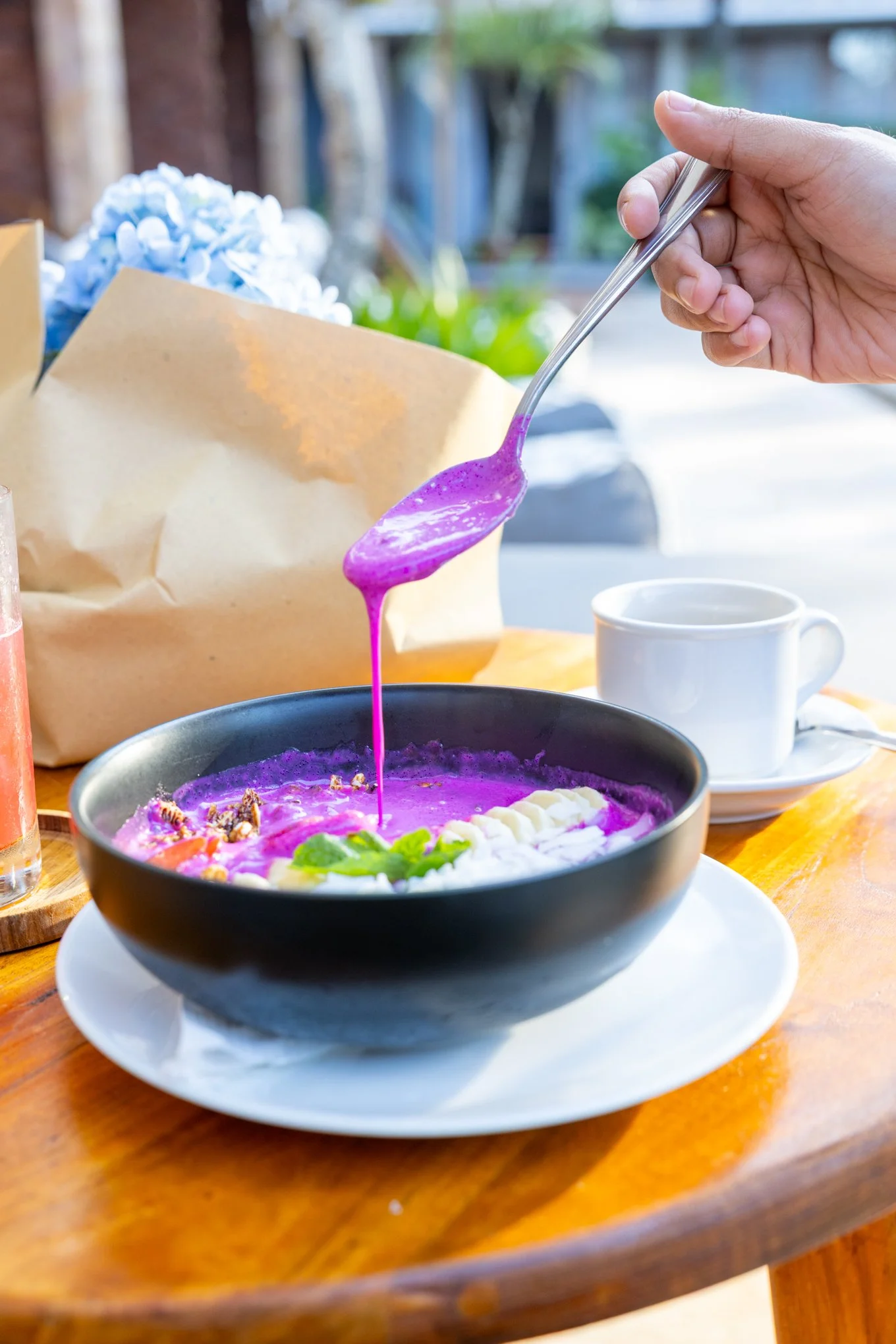
Whether it's a gourmet dinner or a rustic breakfast, food and dining photography for hotels is a key selling point. Think ambiance, plating, table settings, and service moments.
Lifestyle & Guest Experience
This is the heart of it. Real (or directed) lifestyle moments that show guests living the experience: reading by the pool, enjoying cocktails at sunset, exploring the grounds.
Details & Décor
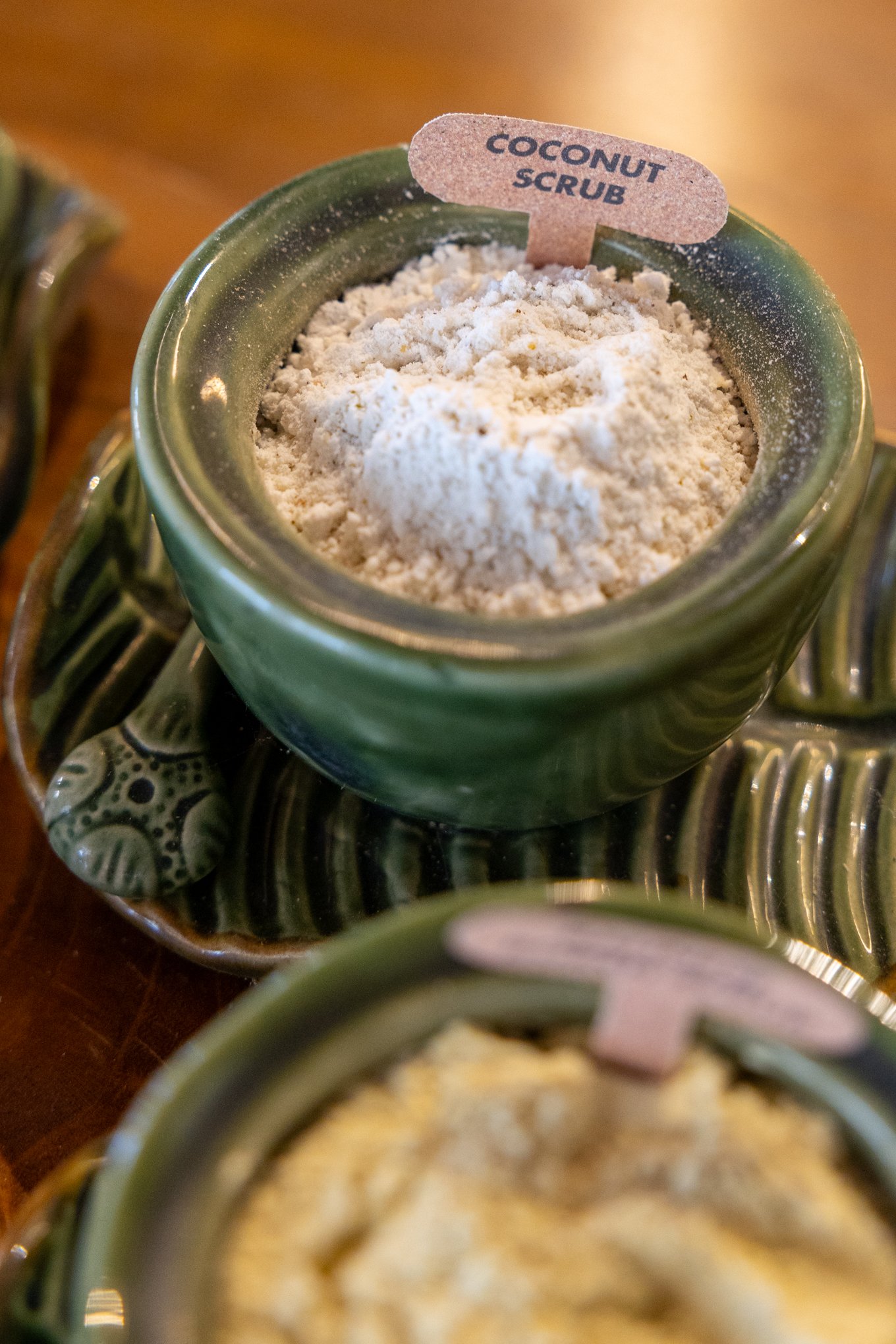
The small things that make your property unique, a handmade ceramic, a local textile, a perfectly arranged welcome tray. These details communicate character and intentionality.
6. Where to use your hotel photography
One professional photoshoot can feed months of content across multiple channels. Here's where to put those images to work:
Your website: hero images, room pages, gallery, about page
Booking.com, Expedia, Airbnb: listing cover photo and gallery (maximum photos = maximum visibility)
Google My Business: photos directly influence your ranking and click-through rate in local search
Instagram & Facebook: organic posts, stories, reels (using photos as a base for video content)
Email marketing: newsletters with strong visuals have significantly higher open and conversion rates
Press & editorial: travel magazines, lifestyle blogs, and press contacts always need strong imagery
OTA advertising: if you run paid campaigns, professional photography dramatically improves ROI
Related: Get in touch to discuss your visual content strategy →
7. The best time to shoot (and why summer matters)
Timing your hotel photoshoot is more strategic than most property owners realize.
Summer is actually the ideal time to shoot, not just because the light is golden and the gardens are in bloom, but because the images you create now become the content that fills your calendar for the next 6 to 8 months.
Think about it: someone planning a January weekend away starts browsing in October. If you don't have fresh, beautiful images online by then, you've already lost that booking.
The best times of day for hotel photography are:
Golden hour (1 hour after sunrise or before sunset): for exterior shots, terraces, pools
Soft morning light: for interiors, breakfast setups, bedroom shots
Blue hour (just after sunset): for moody exterior and pool shots with ambient lighting
The worst time? Midday in full sun. Harsh shadows, blown-out highlights, no warmth. Worth avoiding whenever possible.
For French properties, spring and early summer (May–July) offer the perfect combination of lush greenery, blooming gardens, and long golden evenings. Autumn can also be magical, especially in wine regions or forested areas.
8. How to choose the right hotel photographer
Not all photographers are created equal, and hotel photography is a very specific specialty.
Here's what to look for:
A portfolio specific to hospitality
Look for photographers who have shot hotels, guesthouses, resorts, or villas specifically. General portrait or wedding photographers may be talented, but hospitality imagery requires a different eye, for architecture, light, storytelling, and brand consistency.
A lifestyle approach
If their portfolio is full of empty rooms shot from the corner at eye level, that's a red flag. Look for warmth, human presence, and storytelling.
Strong natural light work
The best hospitality photography leans into natural light. It should feel warm, real, and inviting, not overlit or studio-like.
Experience with your type of property
A photographer who has shot 5-star beach resorts may not capture the intimacy of a countryside guesthouse the same way. Find someone whose aesthetic matches your property's character.
Clear communication & process
A professional photographer will guide you through preparation, timing, and deliverables. They should make the process easy, not stressful.
“I’m Constance Galet, a luxury lifestyle and hospitality photographer based in France, available worldwide. I specialize in boutique hotels, maisons d’hôtes, villas, and resorts, with a focus on natural light, lifestyle storytelling, and visuals that actually convert.”
9. How to prepare your property for a photoshoot
Getting the most out of your photoshoot starts well before the photographer arrives. A little preparation goes a long way.
1. Declutter every space Remove anything that doesn't belong to the "curated" version of your property. Personal items, maintenance equipment, random clutter, all of it. You want every frame to feel intentional.
2. Deep clean everything This sounds obvious, but it's often overlooked. Mirrors, windows, pool surfaces, bathroom fixtures, anything reflective shows every smudge on camera.
3. Style your spaces thoughtfully Add fresh flowers, fold towels beautifully, set the breakfast table, place a book and a candle by the armchair. Small styling details make an enormous difference.
4. Coordinate lifestyle moments in advance If you want lifestyle shots with people in them, arrange this ahead of time, whether that's team members, local talent, or even accommodating guests who are happy to be photographed.
5. Communicate with your photographer Share your brand references, the mood you're going for, and any specific shots you need for your marketing. A good photographer will build a shot list with you in advance.
6. Think about timing Plan the shoot around the best natural light for each space. Interiors often shoot best in the morning; exteriors and pools at golden hour.
Related: Let's plan your shoot together →
10. Ready to elevate your visual identity?
If you've made it to the end of this guide, you already know that professional hotel photography isn't a "nice to have", it's a core part of your marketing strategy.
Whether you run a charming maison d'hôtes in Provence, a boutique hotel in Paris, a luxury villa in the South of France, or a resort somewhere even more spectacular, your visuals are the first thing your future guests will see. Make them count!
I'm Constance Galet, and I work with hotels, guesthouses, villas, and hospitality brands to create photography and cinematic video that feels immersive, authentic, and genuinely compelling.
Let's create something worth feeling!